
HOA & Commercial Chimney Services In Chicagoland
Managed properties need more than a service call. Midwest Chimney Specialists delivers HOA & commercial chimney services across Chicagoland – scheduling around residents, documentation a board or insurer will accept, and solid-fuel work most cleaners turn down. See all our chimney services and our service areas across Chicagoland.
- CSIA-Certified Technicians
- Licensed, Bonded & Insured
- Honest, Upfront Pricing
- Same-Week Scheduling
- Spotless Cleanup, Every Time
- 5 Star Reviews
Why HOA & Commercial Chimney Work Is Not Hood Cleaning
Commercial hood cleaners are set up for grease. Wood-fired ovens and coffee roasters produce creosote, which behaves differently, ignites at lower temperatures and sits in the strictest cleaning tier NFPA 96 defines. That is chimney sweep work, and it is why a lot of kitchen exhaust companies decline solid-fuel systems outright.
Managed properties have the opposite problem: not one appliance but forty, tied into shared stacks where a single neglected unit puts every unit on that stack at risk. Older Chicagoland buildings add abandoned flues, undocumented alterations and service histories nobody can produce. Insurers and fire inspectors ask for dates and written records, and a cleaning nobody documented did not happen as far as they are concerned.
- Solid-fuel cooking - Monthly
- High-volume cooking - Quarterly
- Moderate-volume cooking -Semi-annually
- Low-volume cooking - Annually
Eight Signs Your Property Needs A Managed Service
If more than one of these applies, you are carrying risk that a scheduled program removes for less than the cost of one incident.
You cannot produce a service record on request
Units are booking their own service individually
You run a wood oven or roaster on a quarterly schedule
Your last inspection came with corrections
A closing is being held up by a chimney rider
Grease is showing up on the roof membrane
Storm or lightning damage needs documenting for a claim
Nobody can service the building outside business hours
Every HOA, Commercial & Specialty Service We Offer
Scheduled programs for managed properties, code-compliant exhaust cleaning for commercial kitchens, and the specialist work that needs a certified chimney technician rather than a general contractor.
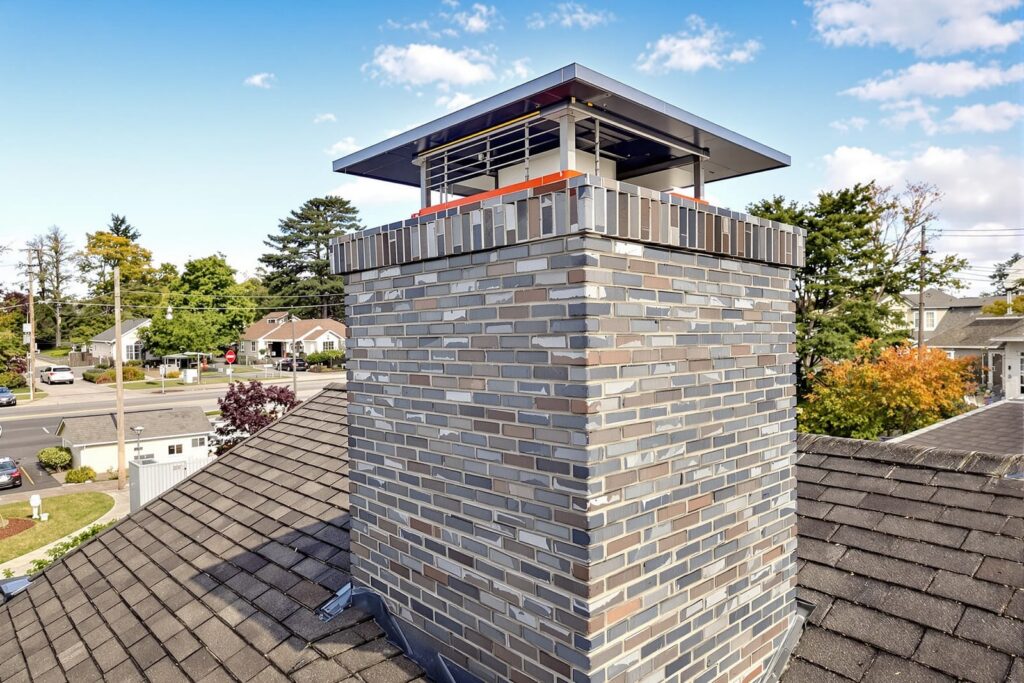
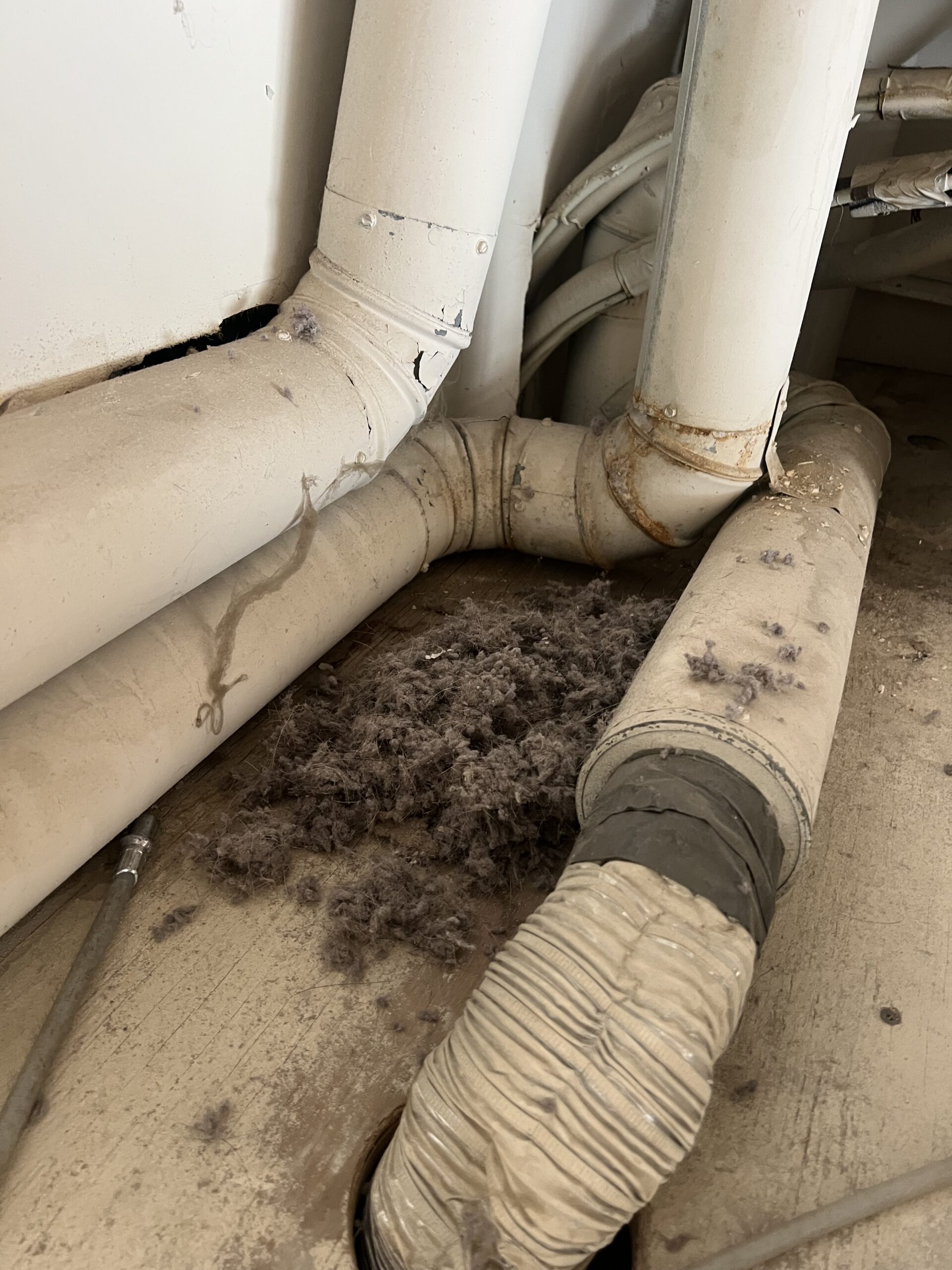
Building-wide chimney and dryer vent servicing on a fixed annual schedule, coordinated with residents and reported back to the board. One contractor, one invoice, one set of records instead of forty owners each arranging their own.
- Fixed Annual Service Calendar
- Resident Scheduling Handled By Us
- Per-Unit Reporting For The Board
- Volume Pricing Across The Building
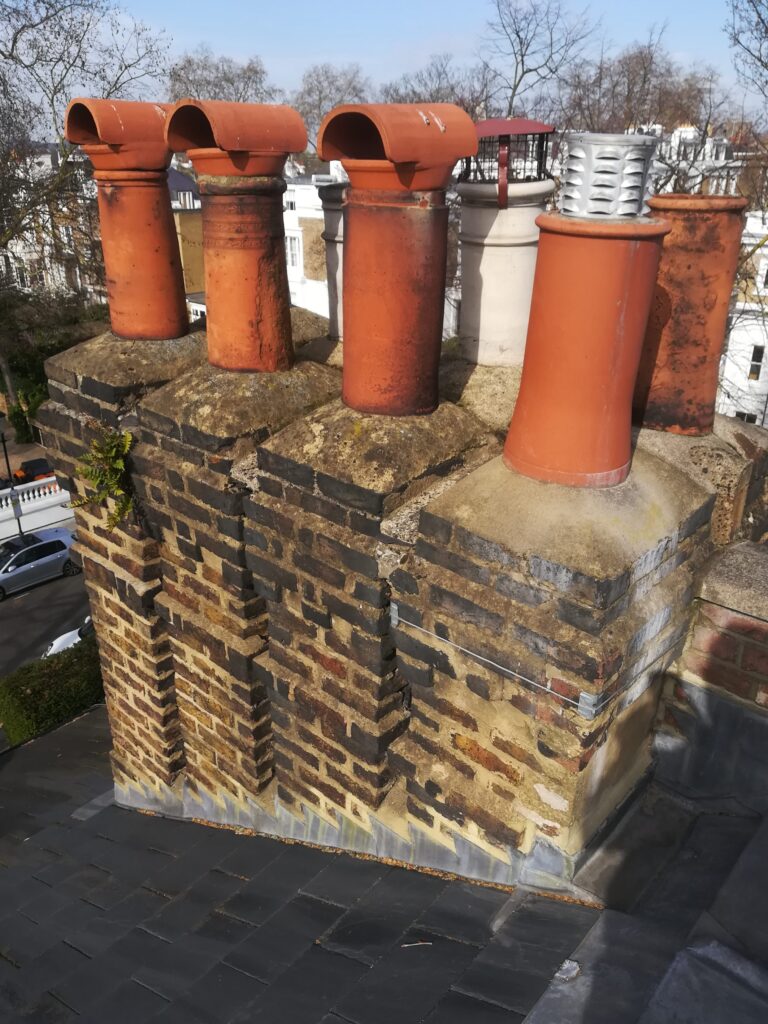
Camera inspections across every flue in the building, with findings graded and prioritised so the board can budget properly. Shared stacks and abandoned flues in older Chicagoland buildings are where the surprises usually turn up.
- Camera Inspection Of Every Flue
- Findings Graded By Urgency
- Shared Stack & Abandoned Flue Mapping
- Reserve Study & Budget Support

Annual agreements covering a portfolio rather than a building. One point of contact, agreed rates across every property, and a maintenance record you can hand to an owner or an insurer without assembling it first.
- Portfolio-Wide Annual Agreements
- Single Point Of Contact
- Agreed Rates Across All Properties
- Turnover & Tenant Change Inspections
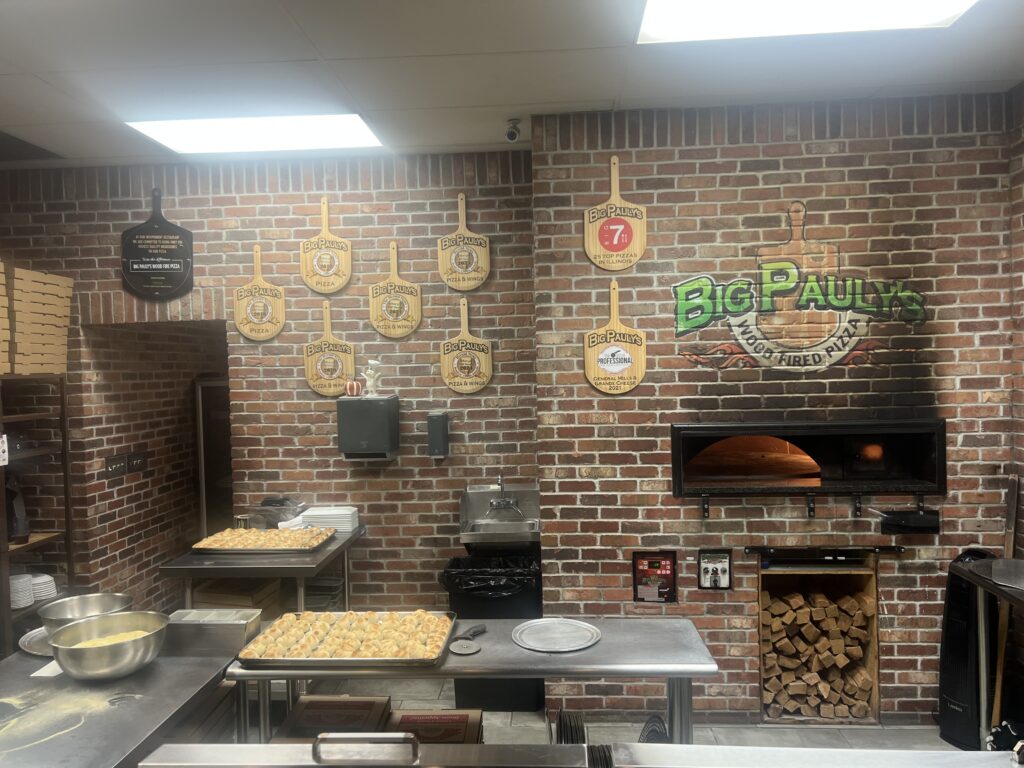
Wood-fired ovens are solid-fuel appliances, which puts them in the monthly cleaning tier under NFPA 96. The buildup is creosote rather than grease, and clearing it properly is chimney sweep work. Scheduled around your service hours.
- Monthly NFPA 96 Solid-Fuel Schedule
- Full Flue, Plenum & Fan Cleaning
- Creosote Removal, Not Just Degreasing
- Service Label & Written Report
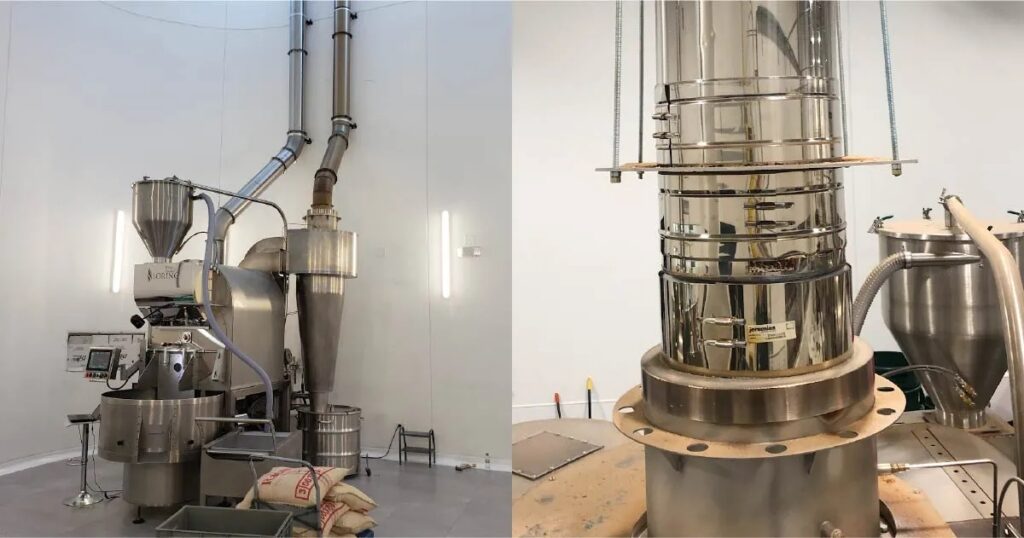
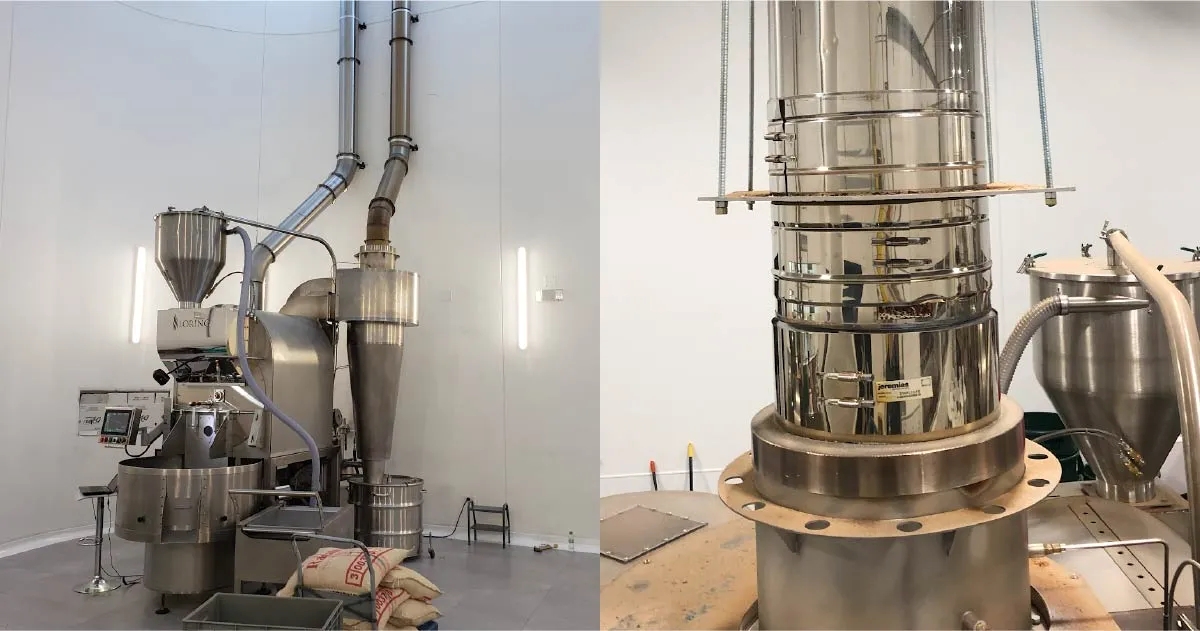
Roaster exhaust accumulates chaff and oils that ignite readily, and roastery fires almost always start in the ducting. Another solid-fuel-adjacent system that conventional hood cleaners are not equipped to handle properly.
- Full Duct Run & Cyclone Cleaning
- Chaff & Oil Residue Removal
- Scheduled Around Roasting Days
- Documentation For Your Insurer
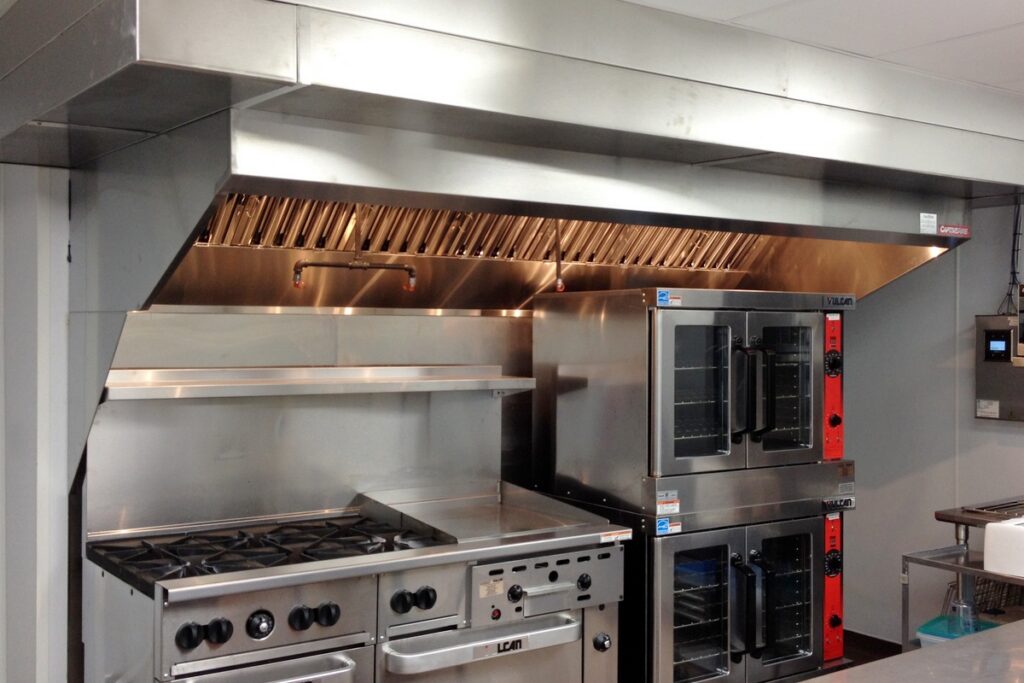
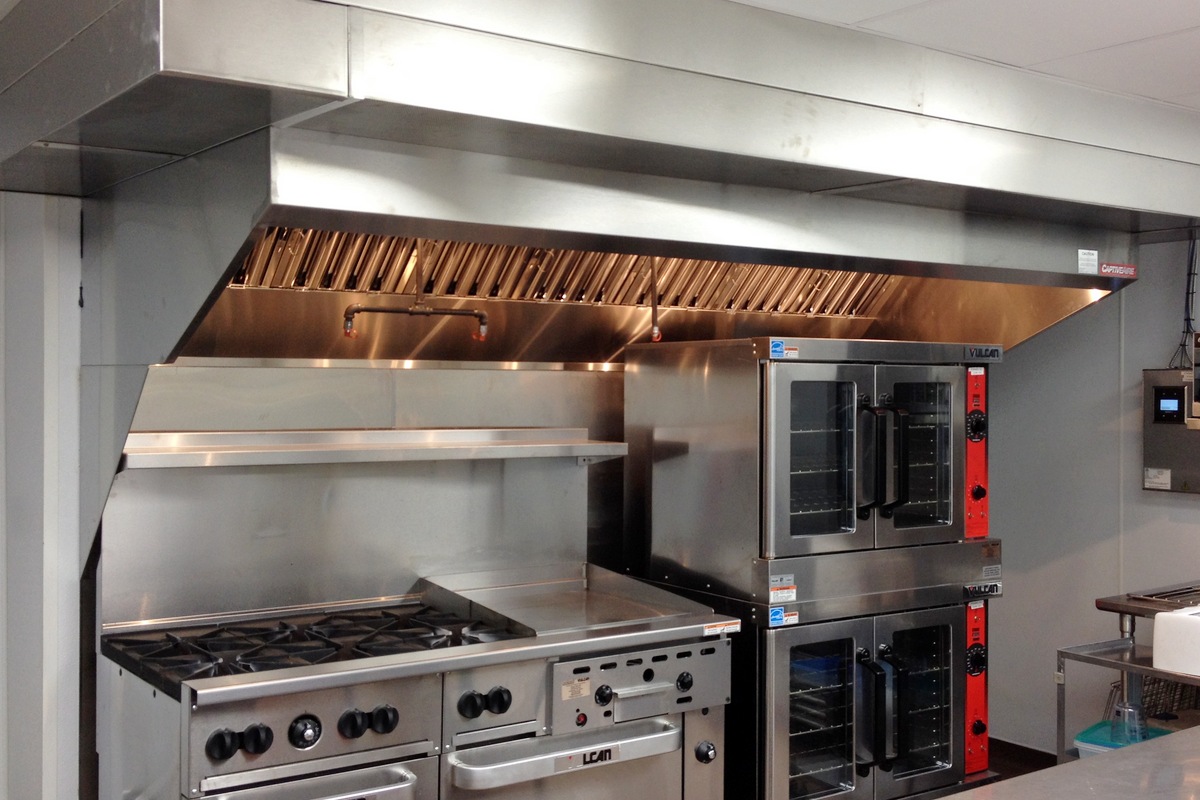
Hood, filters, plenum, ductwork and rooftop fan cleaned to the depth NFPA 96 actually specifies, with access panels removed rather than cleaning what is visible. Service label and written report on every visit.
- Hood, Plenum, Duct & Fan
- Access Panels Removed, Not Skipped
- Rooftop Grease Containment Checked
- Off-Hours & Overnight Scheduling
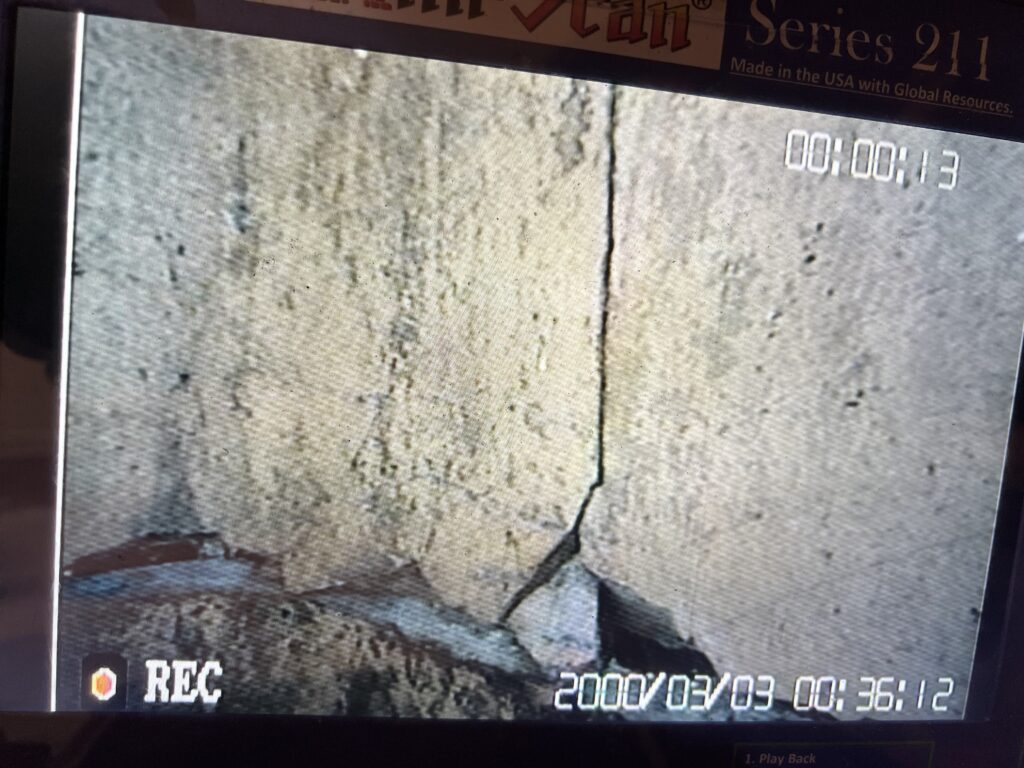
The inspection standard for a property transfer, with camera footage of the full flue and a written report attorneys and lenders will accept. We turn these around fast because closings do not wait.
- NFPA 211 Level 2 Standard
- Video Footage Of The Full Flue
- Attorney & Lender Ready Reporting
- Fast Turnaround For Closing Dates
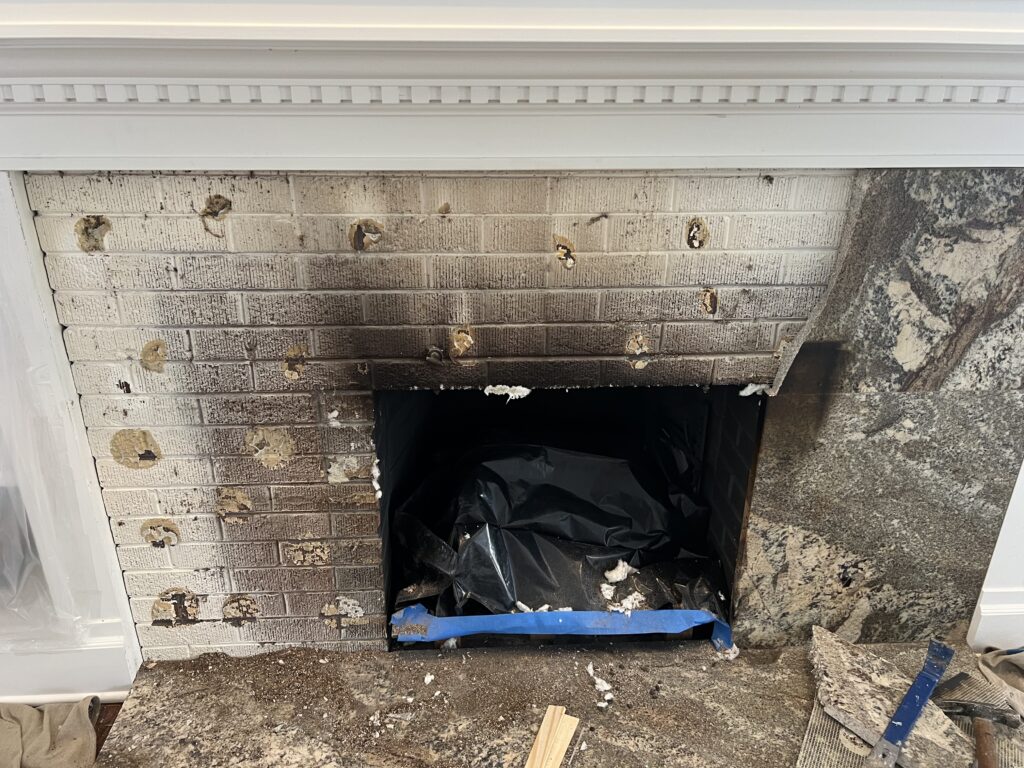
Post-fire assessment establishing what failed and how far the damage extends, documented to the standard an adjuster or an attorney needs. Level 3 inspection where concealed structural damage has to be confirmed rather than assumed.
- Level 3 Post-Fire Assessment
- Cause & Origin Documentation
- Insurance Claim Reporting
- Latent Defect Identification
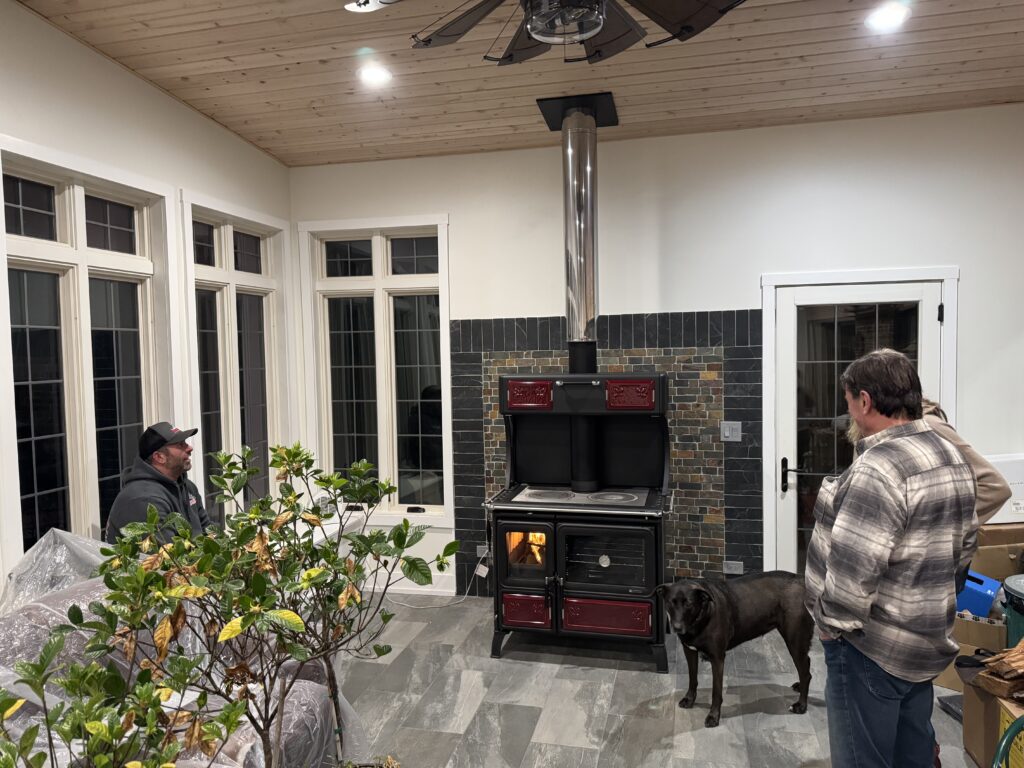
Imported ovens rarely arrive with venting that matches US code or the building you are putting them in. We handle the flue design, clearances and terminations so the install passes inspection the first time.
- Imported & Custom Oven Venting
- Flue Sizing & Draft Calculation
- Clearance To Combustibles To Code
- Commercial & Residential Installs
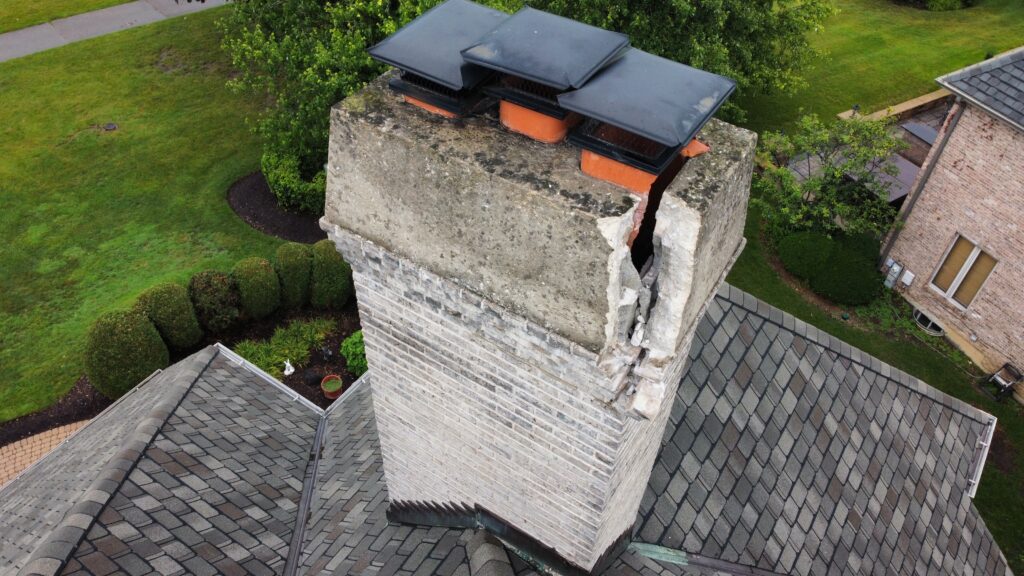
Chimneys are the highest point on most buildings and take strikes accordingly. The visible damage is rarely the full extent of it, and insurers want a certified assessment of the liner and structure before they settle.
- Structural & Liner Damage Assessment
- Camera Survey Of The Full Flue
- Insurance Claim Documentation
- Storm & Wind Damage Included
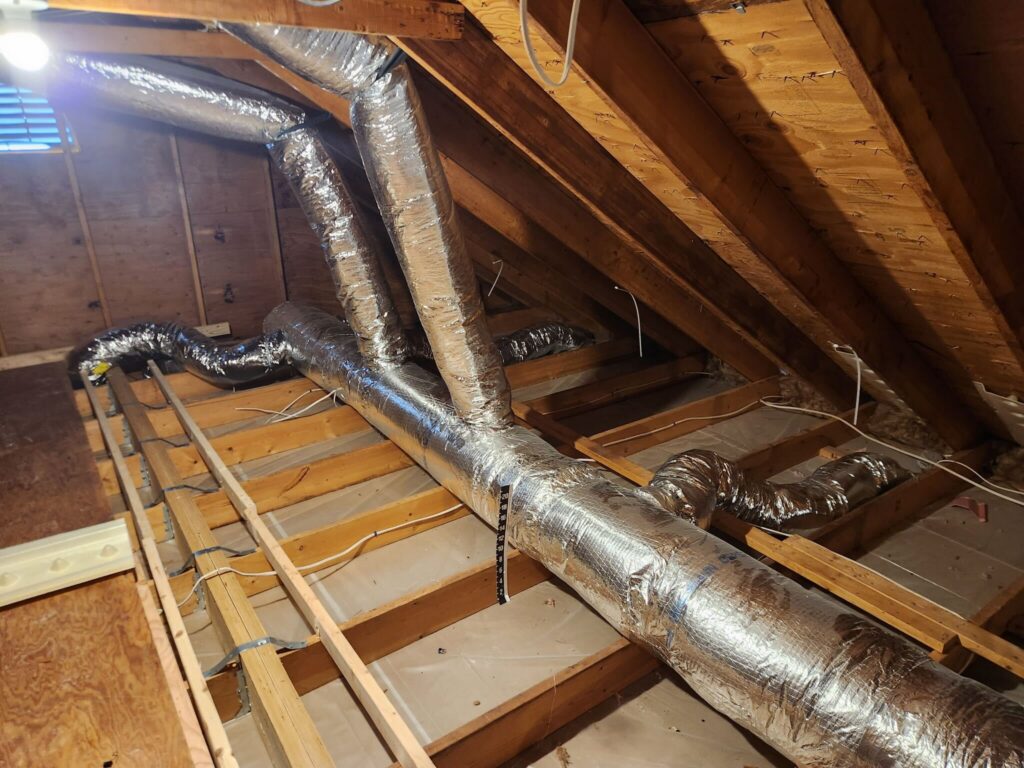
Multi-unit buildings with poor attic ventilation get ice dams, rotted sheathing and complaints from the top-floor units every winter. It also changes how the chimneys draft, which is where we come into it.
- Soffit, Ridge & Gable Assessment
- Ice Dam & Moisture Diagnosis
- Insulation Coverage Review
- Bath & Kitchen Fan Termination
Not sure which one you need? Give us a call at (630) 280-8285 or submit the form with the closest match and a short note. A description like ’42-unit building, no service records’ or ‘wood oven, fire marshal flagged us’ tells us more than a service name does.
Got A Quote From Another Contractor?
We’ll beat it by $150 on qualifying projects over $1,500. Free second opinion included, and we’ll tell you honestly whether the scope and frequency they quoted actually meets code for your operation.
How Every Commercial & Managed Property Job Works
Whether it is a single restaurant on a monthly schedule or a forty-unit building on an annual program, the process is the same. Assess the scope, agree the schedule, document everything.
1 Step
Initial Consultation
Call us or submit the form with the property type, unit count or cooking volume, and whatever service history exists. For commercial kitchens we will establish your NFPA 96 tier on that first call, because it determines everything that follows.
2 Step
Site Survey & Scope
We walk the property, camera the flues or inspect the exhaust run end to end, and identify what actually needs doing versus what has simply never been checked. In older Chicagoland buildings this is where abandoned flues and undocumented alterations surface.
3 Step
Written Proposal & Schedule
You get a scope, a frequency that meets code for your operation, volume pricing, and a service calendar. For HOAs the proposal is written so a board can read it and vote on it without needing it translated first.
4 Step
Service Delivery
Kitchens are serviced overnight or between shifts so nothing closes. Multi-unit buildings are done block by block with resident notice handled by us rather than by the board. Common areas protected and cleared before we leave each unit.
5 Step
Documentation & Records
Service labels applied where NFPA 96 requires them, written reports with photographs, and per-unit records for managed properties. Everything formatted for a fire inspector, an insurer or an owner who asks for it two years later.
Why Property Managers And Restaurant Owners Call Us Instead Of A General Contractor?
We Handle The Solid-Fuel Work Others Decline
Wood ovens and roasters produce creosote, not grease, and most kitchen exhaust companies will not take that work. We are CSIA-certified chimney sweeps, so creosote is the material we deal with every day. It is also the tier with the strictest cleaning schedule in NFPA 96.
Our Documentation Holds Up
We Work Around Your Operation
What Our Credentials Actually Mean For You!
On commercial and managed property work, credentials are not a marketing point. They are what your insurer asks for, what the fire marshal checks, and what a board needs on file. Every technician we send carries the same certifications and works to the same standard.


What Clients Say About Our Commercial Work
Commercial clients judge a contractor on whether the work gets done without disrupting anything and whether the paperwork arrives. These are people who let us onto their property and kept us there.
HOA & Commercial Services Across All Of Chicagoland
Based in Oakbrook Terrace, at the center of DuPage County, covering Chicagoland and all surrounding suburbs across DuPage, Cook, Kane, Will and Lake counties.
- Oakbrook Terrace
- Oak Brook
- Elmhurst
- Lombard
- Villa Park
- Wheaton
- Glen Ellyn
- Downers Grove
- Naperville
- Lisle
- Westmont
- Darien
- Hinsdale
- Burr Ridge
- Addison
- Glendale Heights
- Carol Stream
- Bloomingdale
- Winfield
- West Chicago
- Warrenville
- Clarendon Hills
- Willowbrook
- Woodridge
- Bolingbrook
- Bartlett
- Chicago
- Tinley Park
- Orland Park
Don’t see your town listed? Call us at 630-280-8285 or browse our full chimney service areas – if you’re anywhere in Chicagoland, there’s a good chance we cover it.
Commercial & Managed Property Work Across Chicagoland
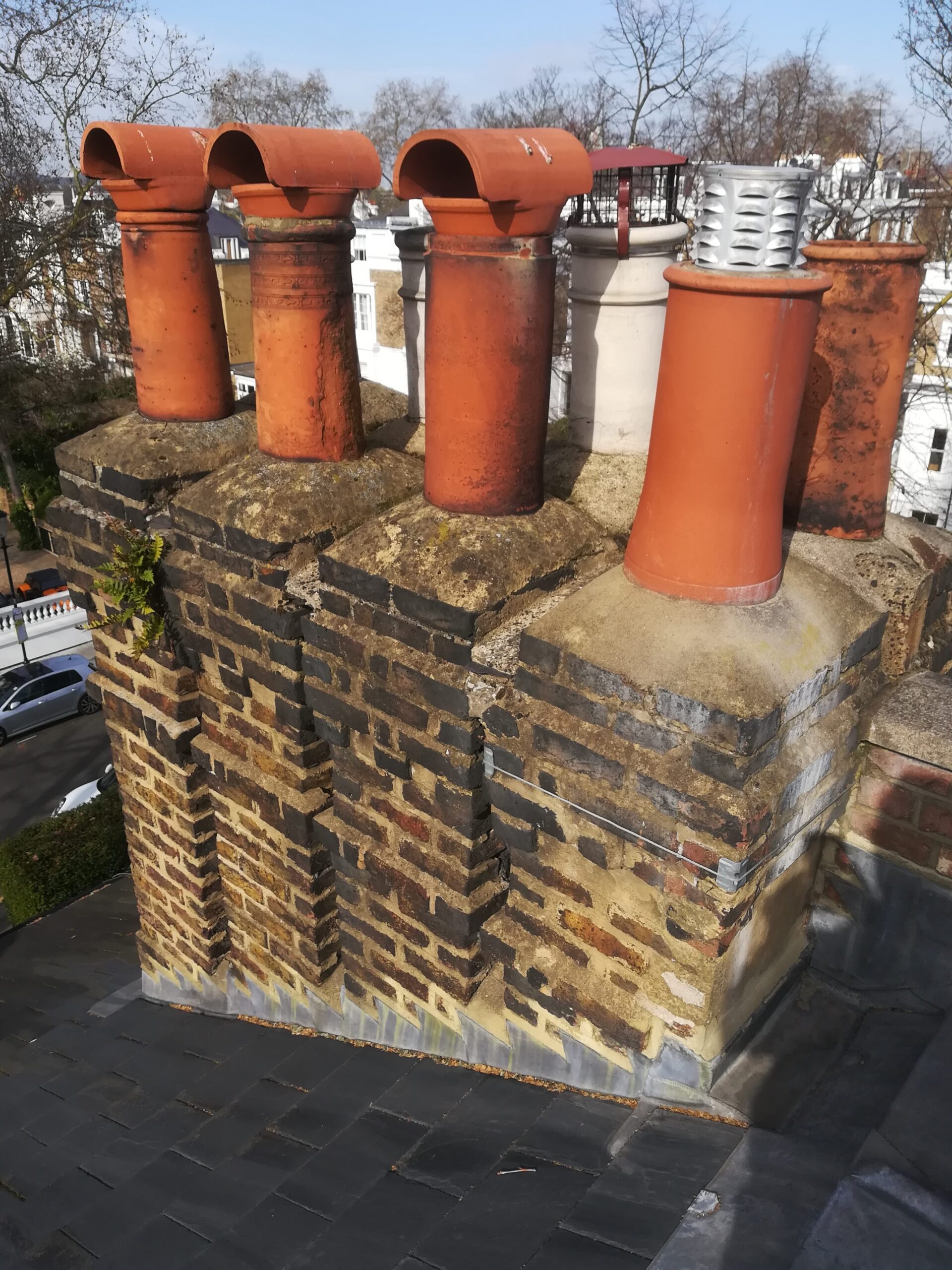
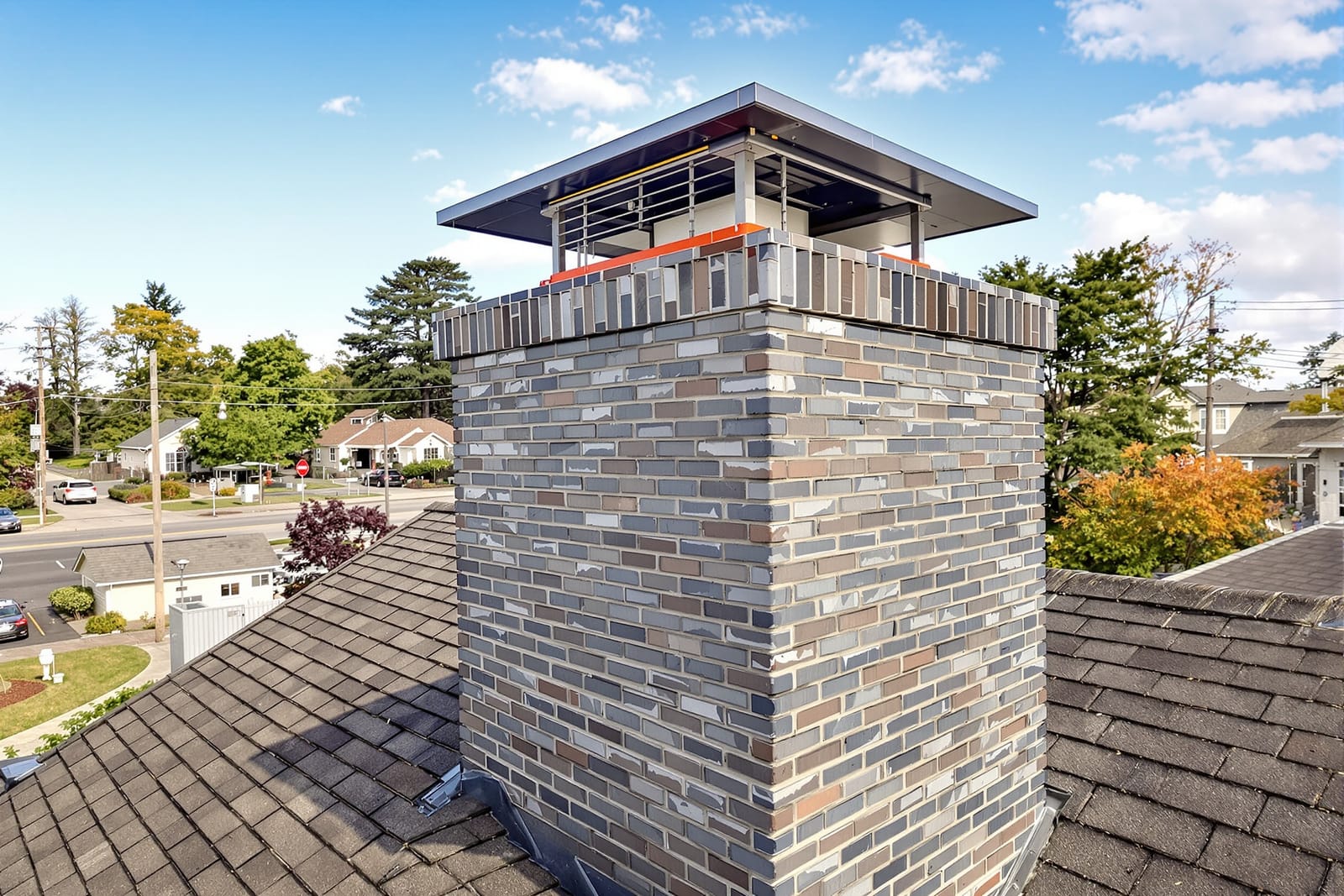
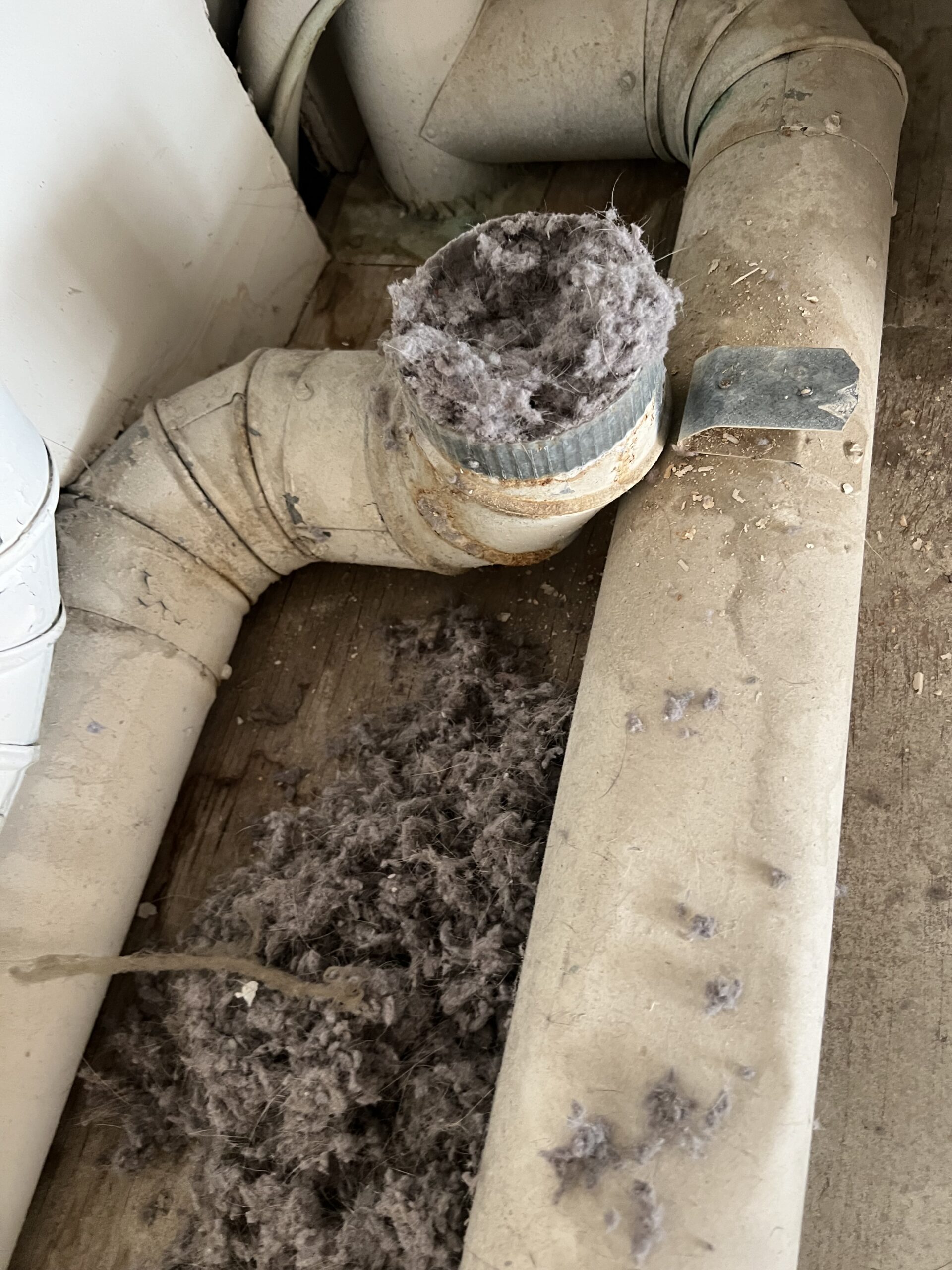
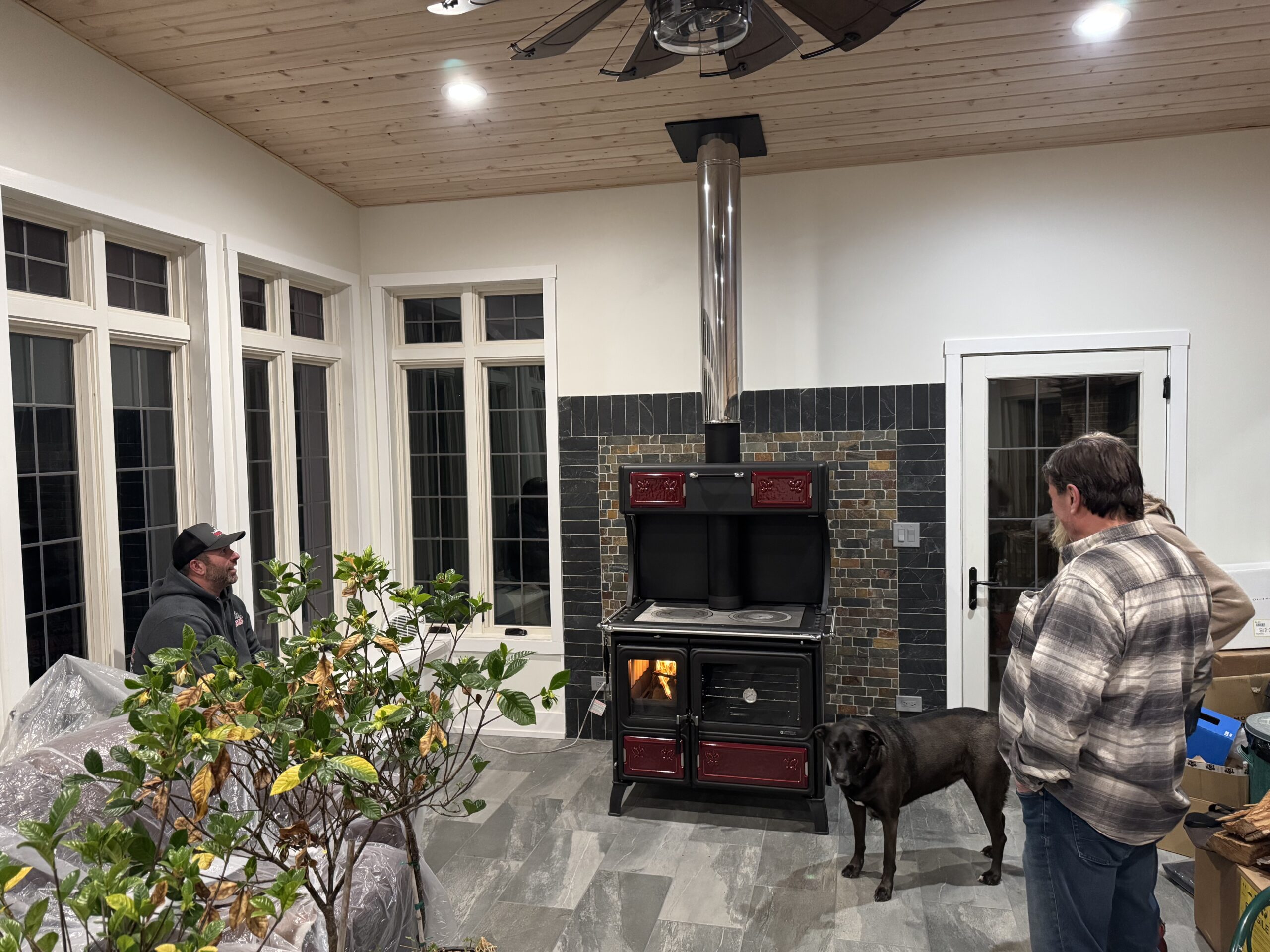
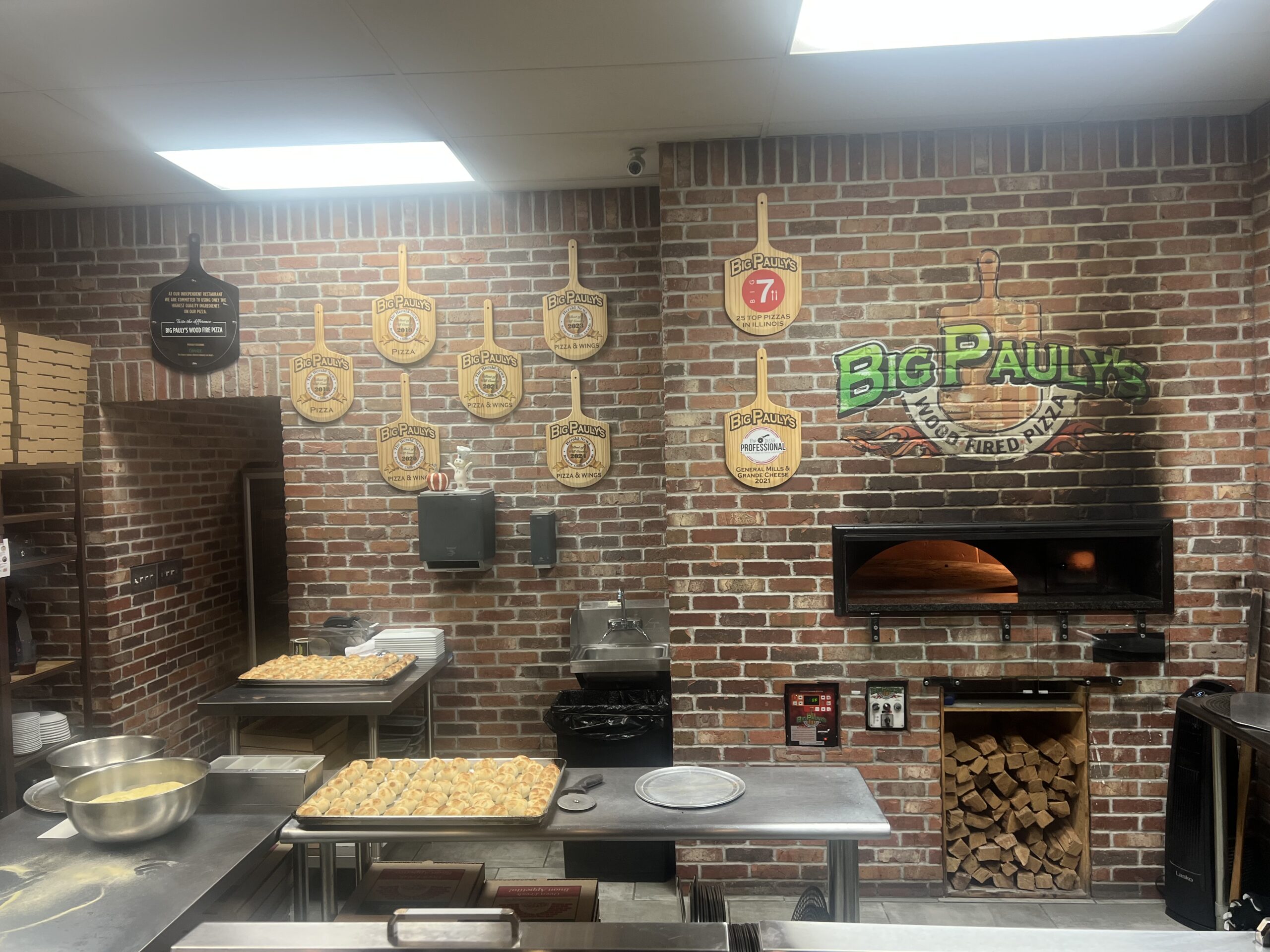
Multi-unit dryer vent stacks, restaurant wood ovens, Level 2 transaction inspections and post-fire investigations. Real conditions found on real jobs across Chicagoland.

One Contractor, One Schedule, One Set Of Records
Whether it is a single restaurant on a monthly cycle or a portfolio of buildings on annual program, we’ll scope it, schedule it and document it. Free consultation and site survey.
Before You Book HOA & Commercial Chimney Work
How often does NFPA 96 require exhaust cleaning?
It depends on your cooking volume and fuel. Solid fuel, meaning wood ovens, charcoal and roasters, requires monthly cleaning. High-volume operations including charbroiling and wok cooking need quarterly. Moderate-volume kitchens go semi-annually and low-volume facilities annually. Chicago and Cook County have both adopted NFPA 96, and the Illinois fire marshal enforces it.
Why does a chimney company clean commercial kitchen exhaust?
Because a large part of it is not grease work. Wood-fired ovens and coffee roasters build creosote, which is what chimney sweeps deal with, and they sit in the strictest cleaning tier in the code. Plenty of hood cleaning companies decline solid-fuel systems for exactly that reason. We take that work and also handle conventional hoods, ducts and rooftop fans.
How much does commercial kitchen exhaust cleaning cost in Chicago?
Most Chicago kitchens fall between $400 and $600 per service, with smaller single-hood operations lower and multi-hood or heavy-grease kitchens above $800. Rooftop access difficulty and duct length matter more than square footage. Operations on a recurring schedule get contract rates, which is most of the reason to be on one.
What does an HOA chimney program actually include?
A fixed annual calendar, resident scheduling handled by us rather than by the board, inspection and cleaning of every flue and dryer vent in scope, and per-unit written records the board can file. Pricing is set across the building rather than per call, which is normally well below what owners pay arranging it individually.
Can you work outside business hours?
Yes, and for kitchens it is usually the only sensible option. Overnight and between-shift scheduling means nothing closes. For multi-unit buildings we work in blocks during agreed windows and handle the resident notices ourselves so the board is not chasing access.
What documentation do we receive?
A written report with photographs on every visit, service labels where NFPA 96 requires them, and per-unit records for managed properties. Formatted so it goes straight to a fire inspector, an insurer or an owner without anyone reformatting it first. Undocumented work is treated as work that never happened.
How quickly can you turn around a Level 2 inspection for a closing?
Usually within the same week, and faster when a closing date is at risk. You get the written report and the video footage of the flue, which is what attorneys and lenders are actually asking for when a chimney rider appears. Realtors who send us repeat work get priority scheduling.
Do you work with insurance adjusters on fire and storm claims?
Regularly. Post-fire and lightning strike assessments are documented to the standard adjusters need, including camera survey of the flue and identification of latent defects that are not visible from outside. We supply the report and let it stand on its own rather than arguing the claim for you.
Request Your Free Estimate Now!
Fill out the form below to begin your consultation or give us a call at (630) 280-8285.