
Masonry & Restoration Services In Chicagoland
- CSIA-Certified Technicians
- Licensed, Bonded & Insured
- Honest, Upfront Pricing
- Same-Week Scheduling
- Spotless Cleanup, Every Time
- 5 Star Reviews
Why Chicagoland Masonry & Restoration Starts With The Mortar
Mortar is designed to be the sacrificial part of a masonry wall. It is softer than the brick around it, and it is meant to absorb movement and moisture so the brick does not have to. That works exactly as intended until the joints wear back far enough for water to sit in them, and then a Chicagoland winter does the rest.
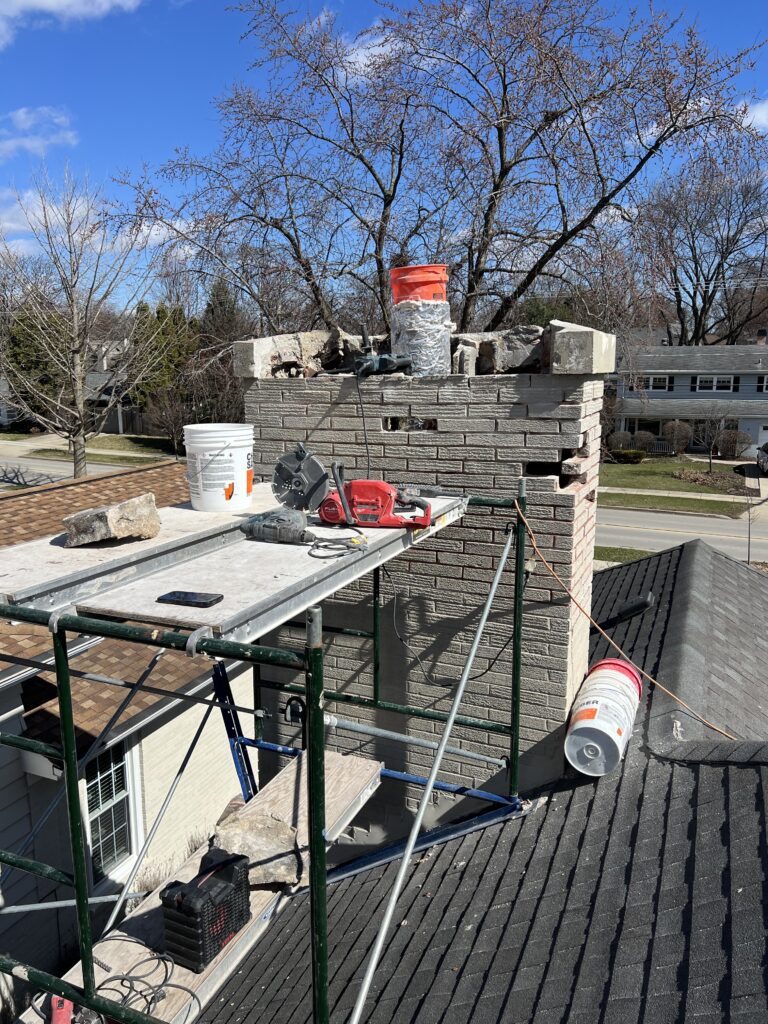
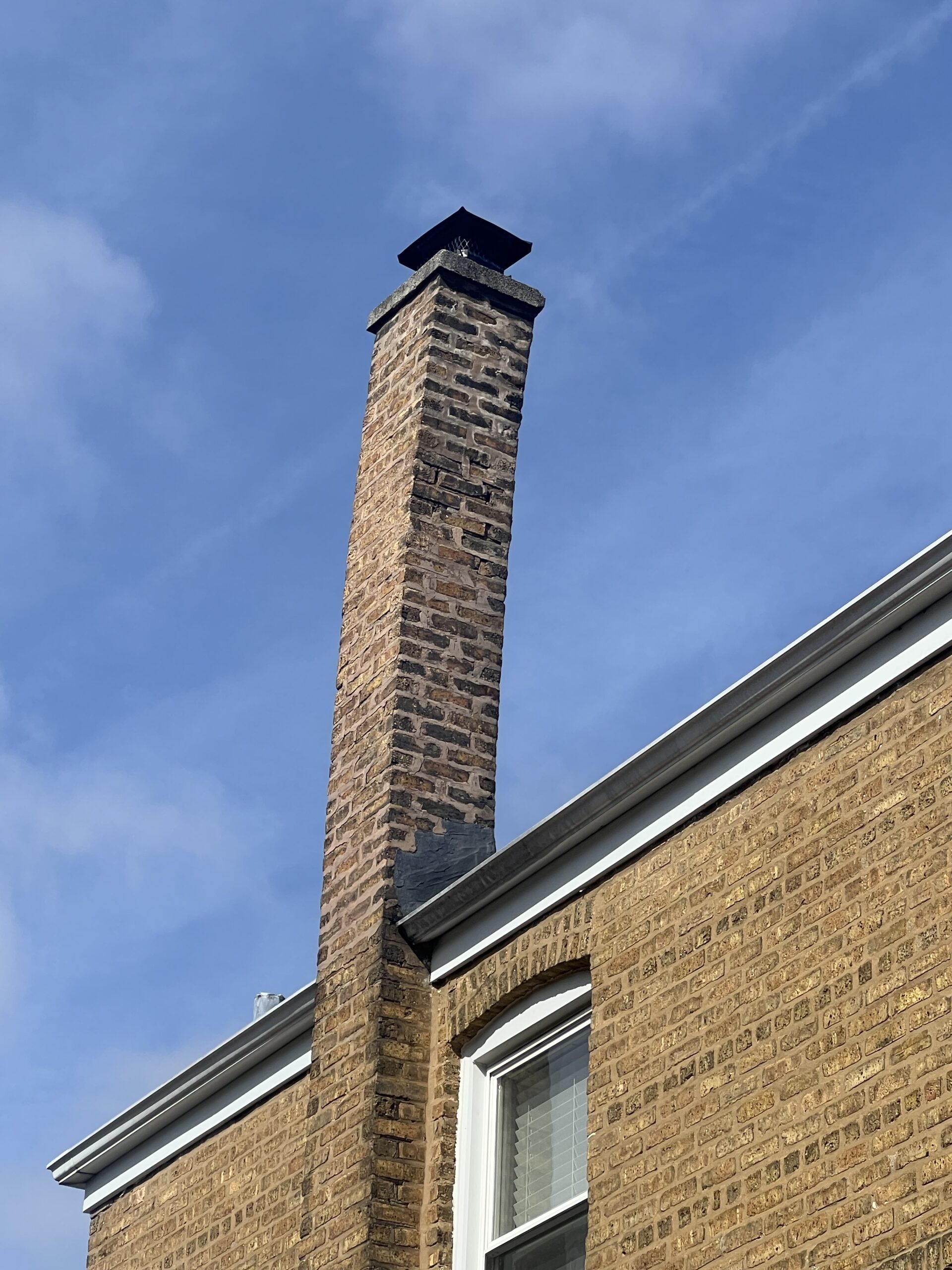
Facades, parapets, porches, retaining walls and chimneys all go the same way, but chimneys go first – they are the most exposed masonry on the building, standing above the roofline taking weather on all four sides with no shelter from anything. Repointing early is a straightforward job. Left long enough, the water gets behind the brick face, freezes, and starts pushing the wall apart, which turns a repair into a rebuild.
- Sound mortar keeps water out of the wall cavity entirely
- Correct mortar mix protects soft historic brick from cracking
- Repointing every 10 to 15 years prevents full rebuilds
- Restored masonry adds visible value at resale
Eight Signs Your Masonry Needs Attention Now
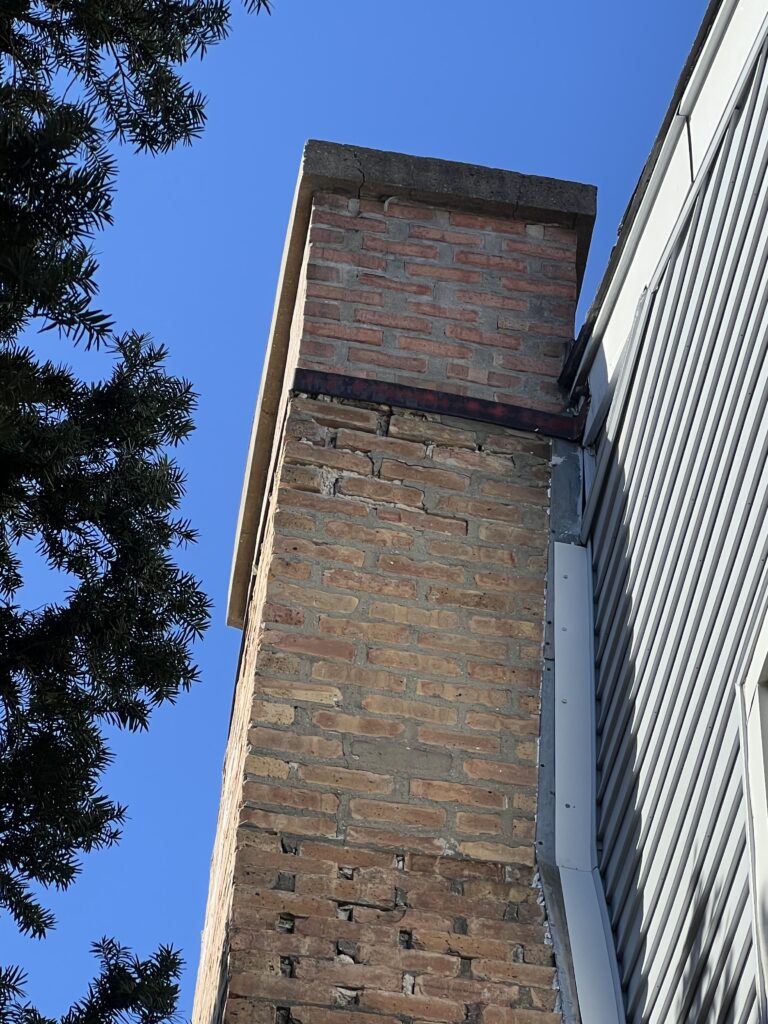
The first four are maintenance. The last four mean the structure is moving and the job gets more expensive every season you wait.
Mortar you can scrape out with a screwdriver
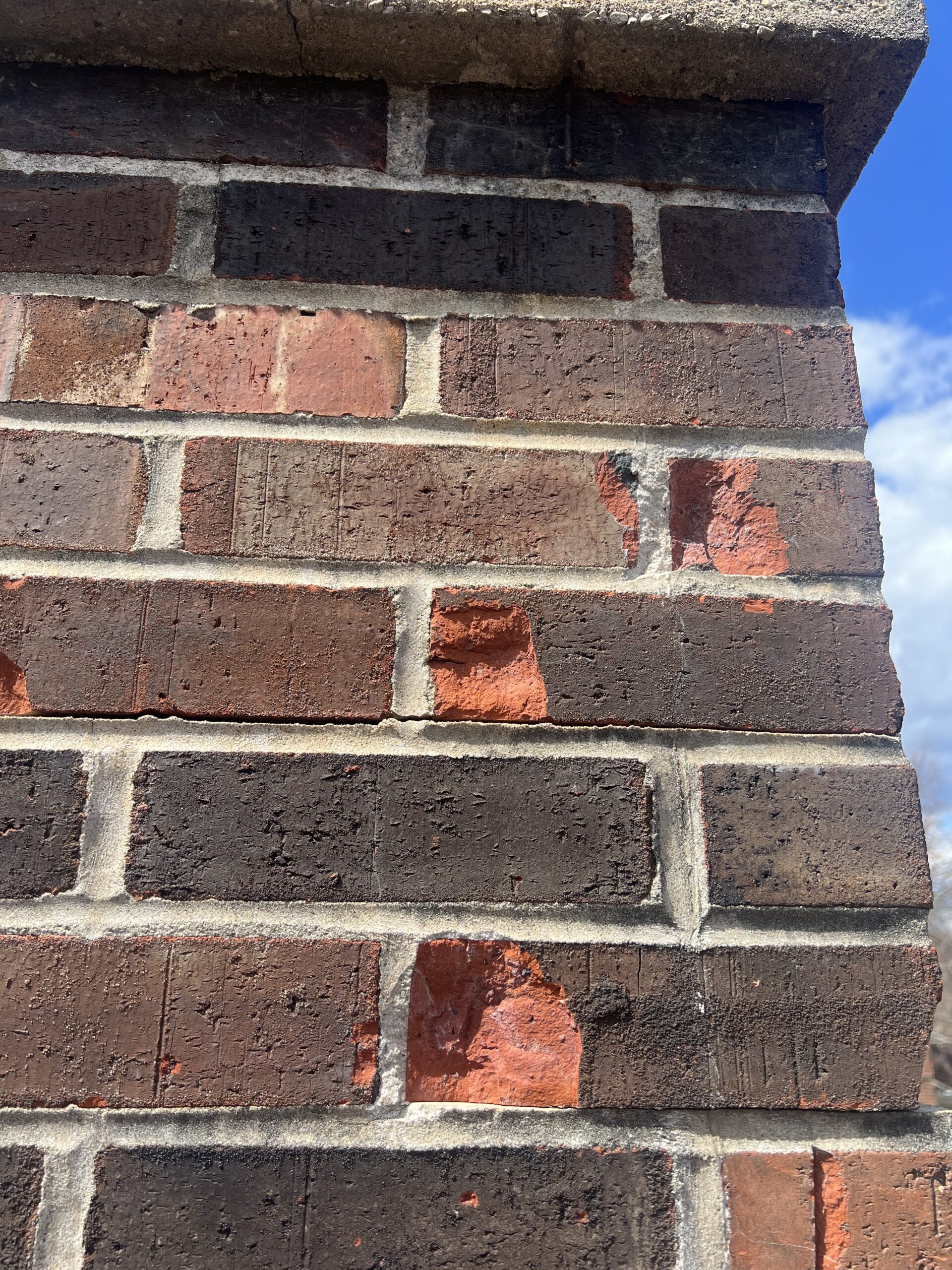
Brick faces flaking, pitting or popping off
White powdery deposits on the brick
Loose or missing bricks near the top of the stack
Cracked or crumbling firebrick inside the firebox
Stair-step cracks running through the mortar joints
A visible gap where the chimney meets the house
The chimney is visibly leaning
Every Masonry & Restoration Service We Offer
Exterior stacks, interior fireboxes, historic brick and modern veneer. The common thread is matching what is already there, because masonry repair that does not match the original is just a visible patch that lowers what the house is worth.
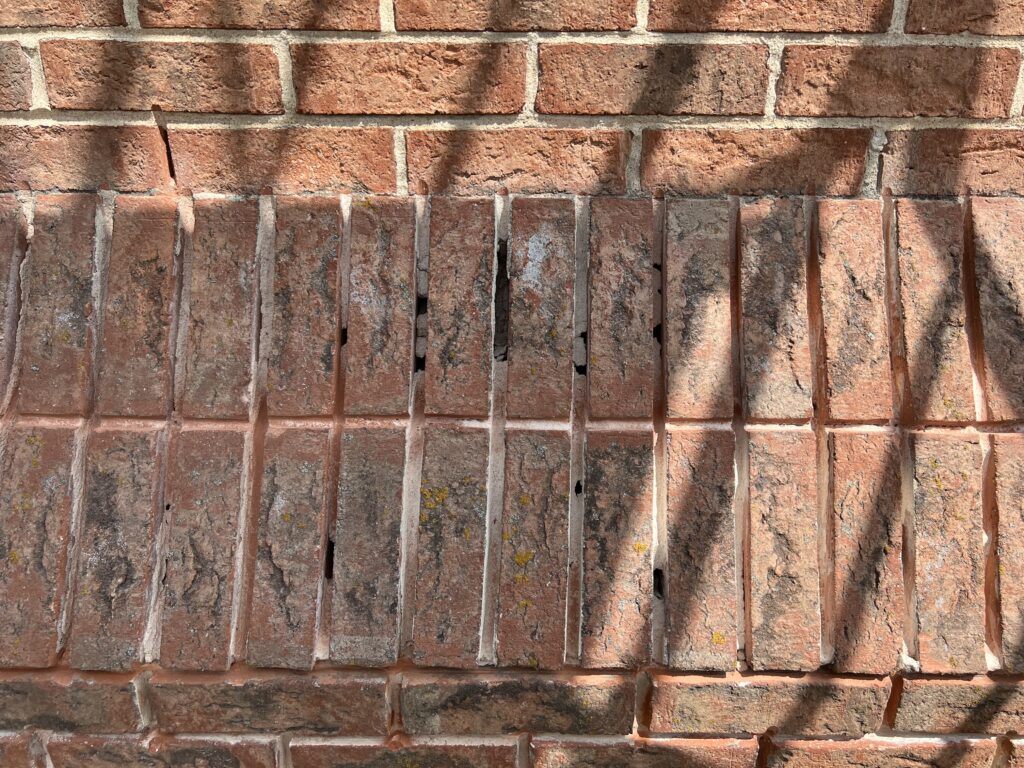
Grinding out failed mortar and replacing it with a mix matched to the original in both strength and colour. The strength part matters more than most people realise, and getting it wrong does more damage than leaving the joints alone.
- Full Joint Grinding & Repointing
- Mortar Strength Matched To Brick
- Colour Matching To Existing Joints
- Chimney Stack & Parapet Work
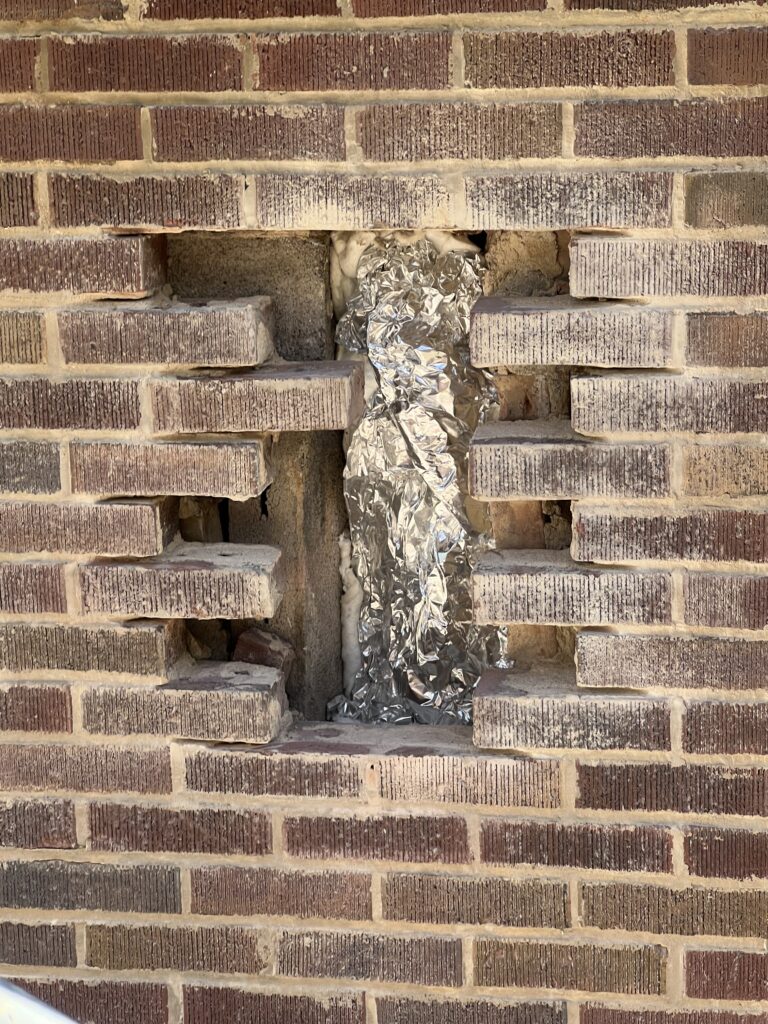
Spalled and cracked brick cut out individually and replaced with matched units, or the top courses taken down and rebuilt where the damage runs deeper. We salvage original brick wherever it is sound enough to reuse.
- Individual Spalled Brick Replacement
- Partial & Full Stack Rebuilds
- Original Brick Salvaged Where Sound
- Brick Sourcing & Colour Matching
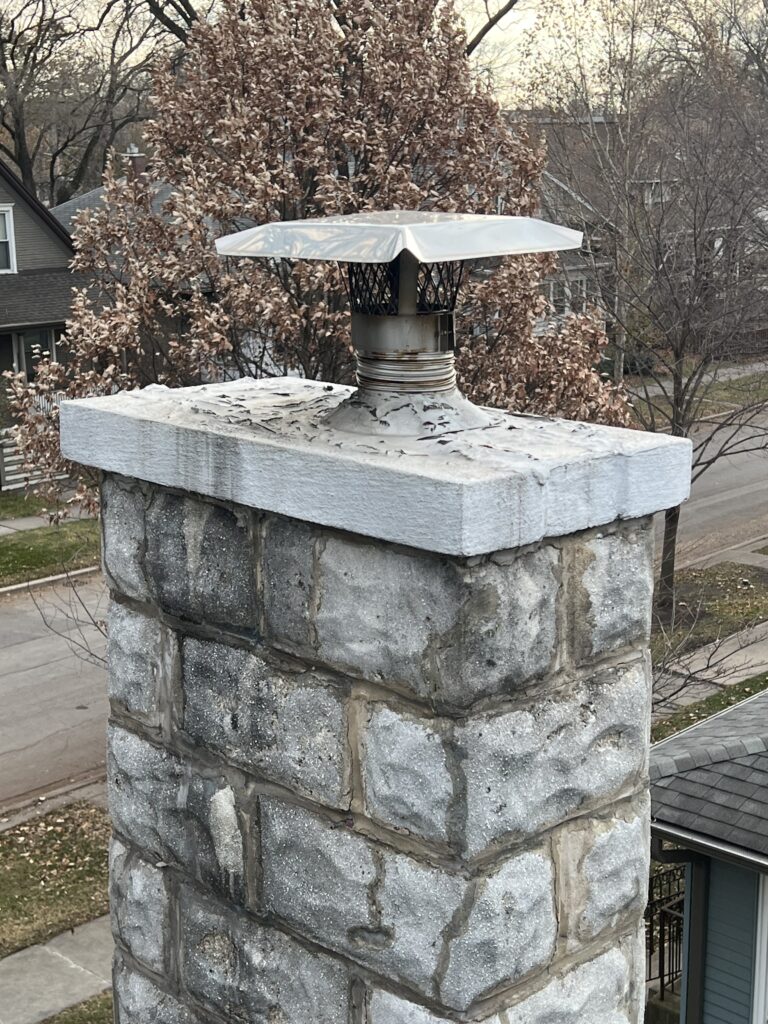
Chicagoland greystones, bungalows and pre-war brick were built with soft brick and lime-based mortar. Repointing them with modern Portland cement traps moisture and cracks the brick faces off. Older buildings need older methods.
- Lime-Based Mortar For Soft Brick
- Greystone & Common Brick Experience
- Period-Appropriate Joint Profiles
- Landmark District Compliant Work
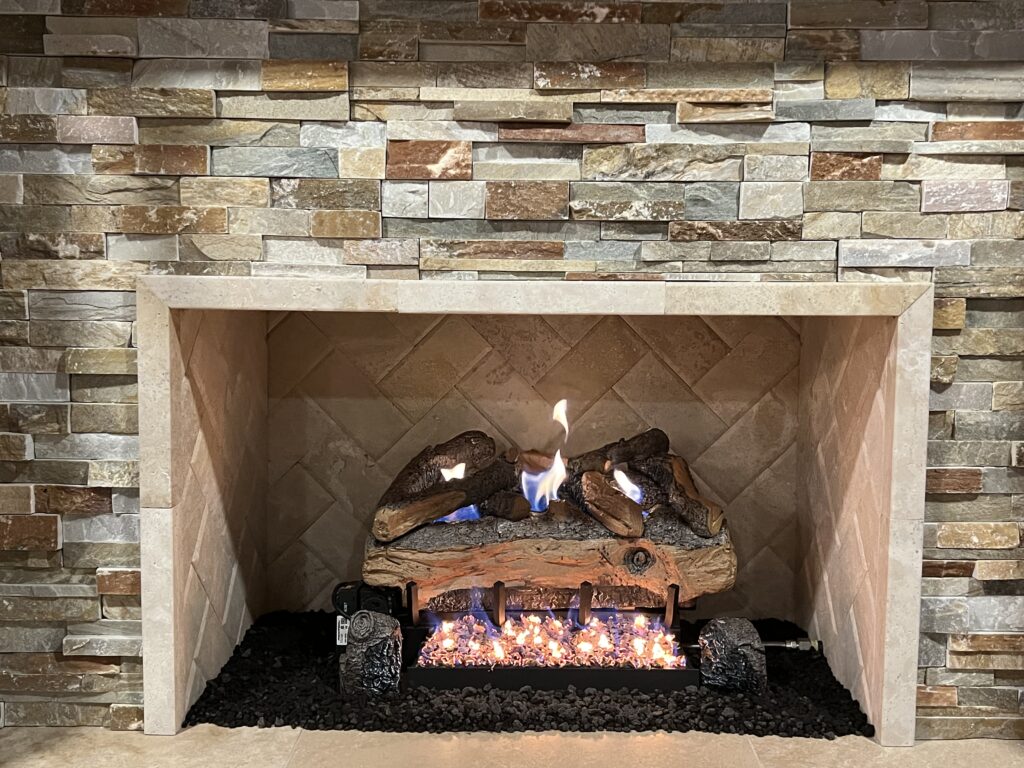
Manufactured stone veneer over an existing chimney chase or fireplace surround, at a fraction of the weight and cost of full stone. Done properly it needs a moisture barrier and weep detail behind it, which is the step cheap installs skip.
- Zero-Clearance Firebox Installation
- Like-For-Like Prefab Replacement
- Chase, Chase Cover & Termination
- Surround & Cultured Stone Finish
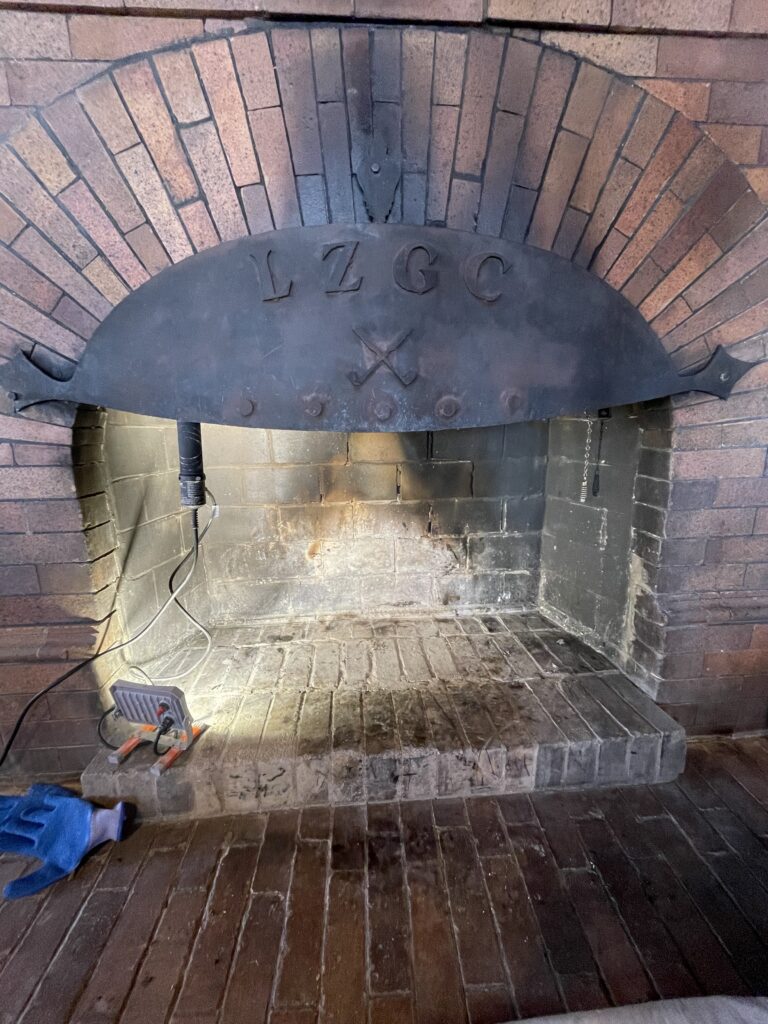
The firebox is the part that actually holds the fire, and most masonry contractors will not touch it. Cracked firebrick and washed-out joints let heat reach the brick behind, which is exactly what the firebox exists to prevent.
- Firebrick Replacement & Repointing
- Refractory Mortar, Not Standard Mix
- Back Wall & Floor Rebuilds
- Damper & Throat Area Repairs
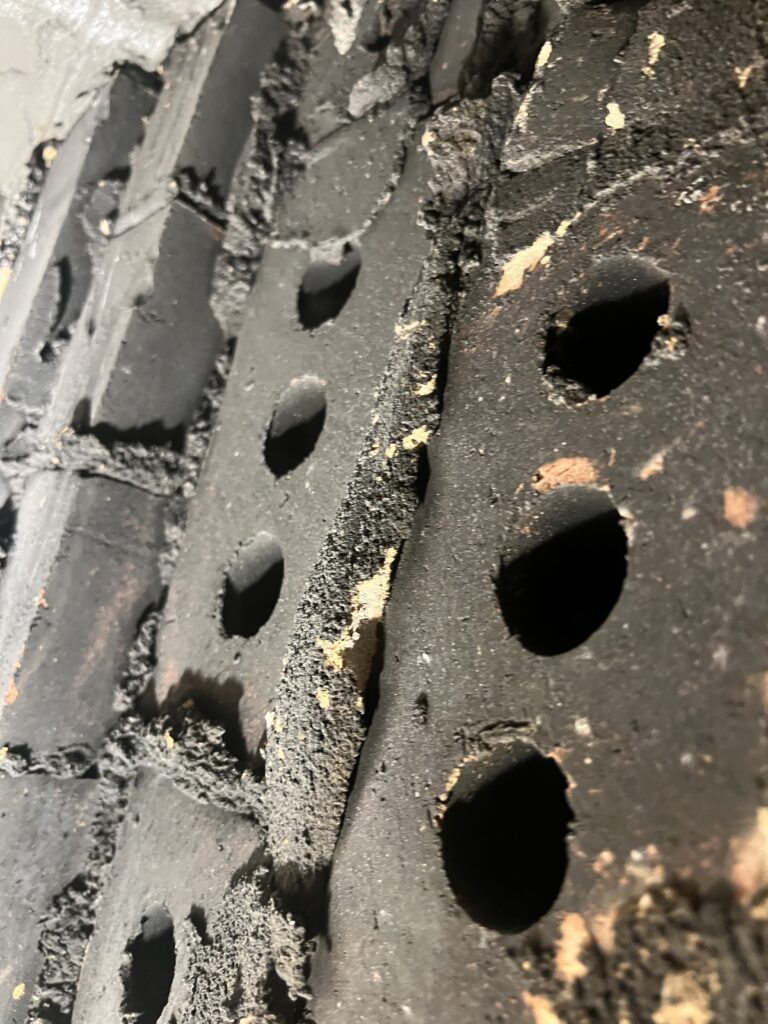
Above the damper, many smoke chambers were built with exposed block cores and stepped corbelling. Those voids catch creosote and turn the chamber into the most fire-prone part of the system. Parging smooths and seals it.
- Exposed Core & Void Sealing
- Smooth Parge Coat Application
- Corbelling Correction For Draft
- Camera Verified Before & After
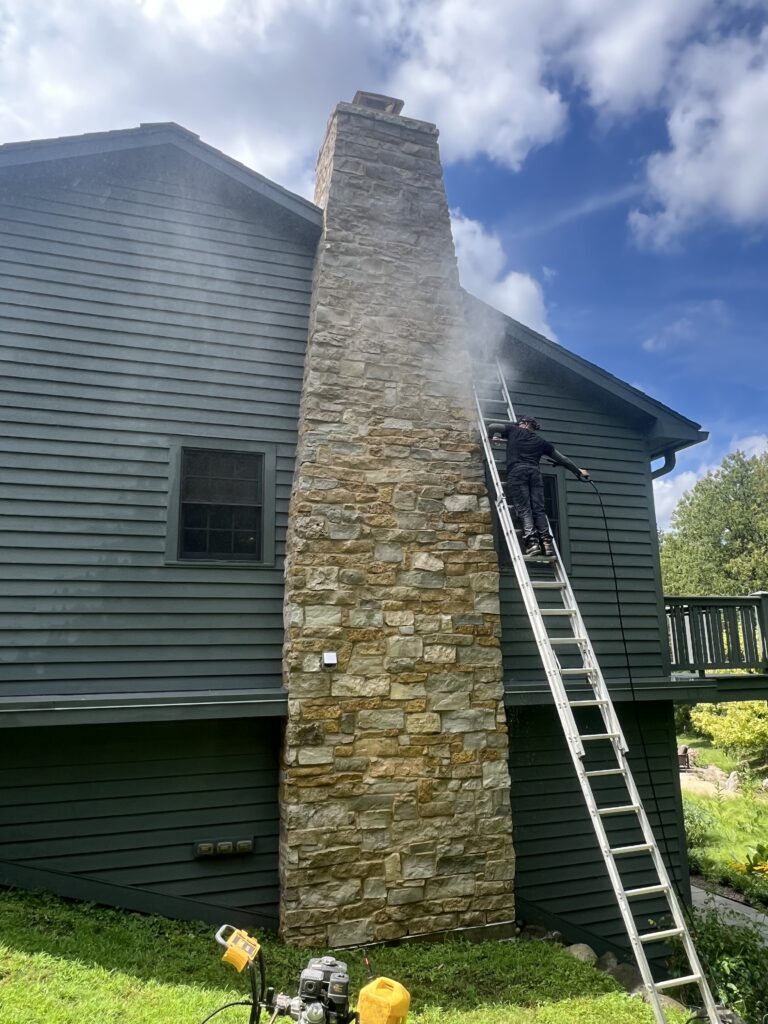
The last step after masonry work, never a substitute for it. A siloxane repellent soaks into the brick and repels water while still letting vapour out. Film-forming sealers trap moisture inside and accelerate the damage they were bought to stop.
- Siloxane Penetrating Repellent
- 100% Vapour Permeable
- Applied After Repairs Have Cured
- Pressure Washing & Prep Included
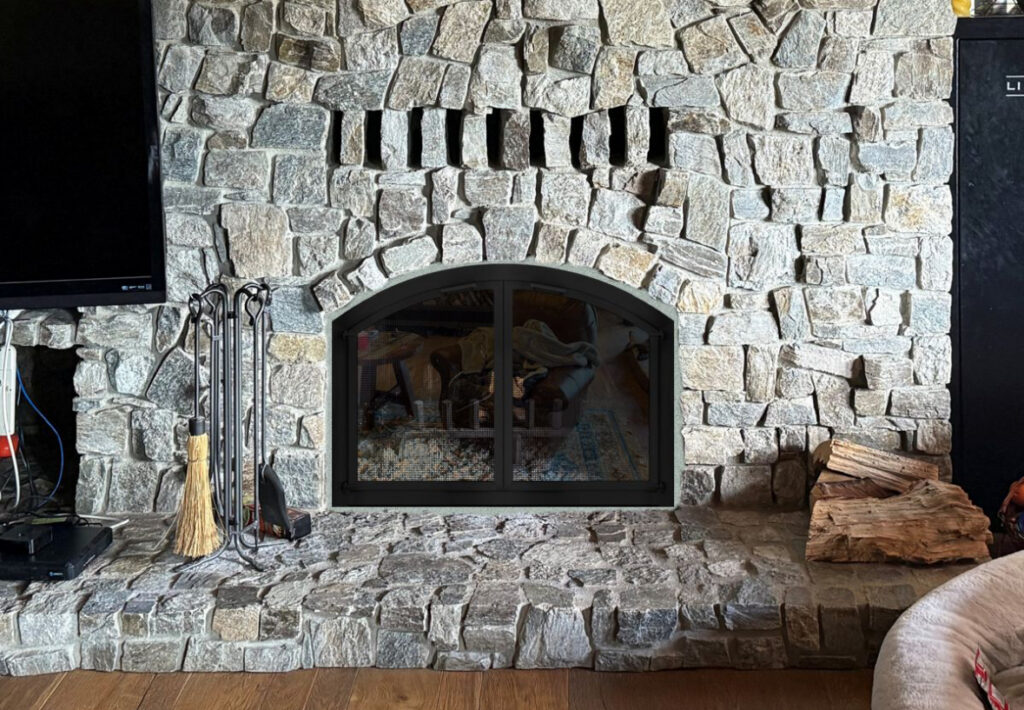
Dated brick surrounds refaced in stone, tile or stucco without touching the working parts of the fireplace. The most visible change you can make to a living room for the money, and it does not require rebuilding anything structural.
- Stone, Tile & Stucco Refacing
- Hearth Extension & Rebuild
- Clearance To Combustibles Verified
- Custom Glass Door Fitting
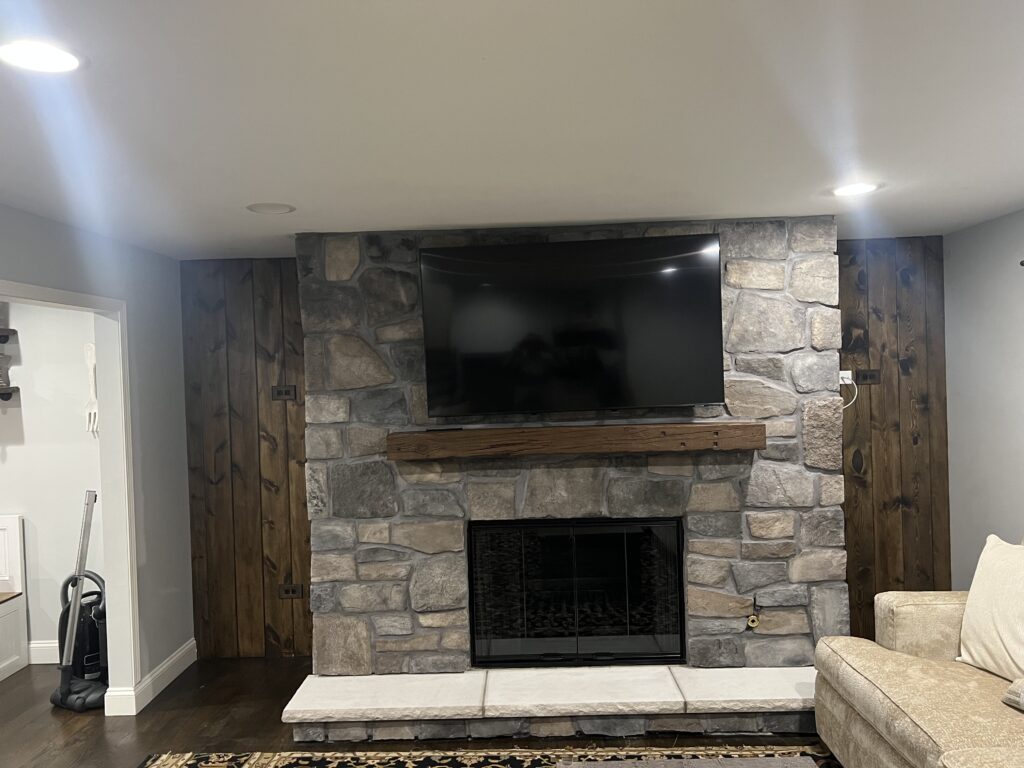
Timber, stone or cast mantels fitted to the fireplace with the clearance requirements actually observed. Combustible mantels have minimum distances from the firebox opening set by code, and those distances are why a mantel that looks right sometimes cannot go where you want it.
- Timber, Stone & Cast Mantels
- Code Clearance To Combustibles
- Custom Tile & Stone Surround Work
- Structural Fixing Into Masonry
Can’t find what you’re looking for, or not sure which service applies? Give us a call at (630) 280-8285 or submit the form with the closest match and a short note about what’s going on. A description like “mortar is crumbling near the top of the chimney” or “the brick around the fireplace looks dated” tells us more than a service name does. We’ll match the work to your masonry before quoting anything.
Got A Masonry Quote From Another Company?
We’ll beat it by $150 on qualifying projects over $1,500. Free second opinion included, and we’ll tell you honestly whether the scope they quoted matches what your masonry actually needs.
How Every Masonry & Restoration Job Works
Whether it is repointing a chimney stack, rebuilding a firebox, or restoring pre-war brick on a landmark property, every job runs the same way. Assess it properly, match the materials, document the work.
1 Step
Book & Confirm
Call us or submit the form with a description of what you are seeing. Crumbling joints, loose brick, a firebox that has started shedding pieces. Same-week appointments across Chicagoland, Monday through Saturday.
2 Step
On-Site Assessment & Material Match
We inspect the masonry at close range rather than from the ground, check the mortar hardness against the brick, and identify what was originally used. On older properties this determines the entire approach, because the wrong mortar mix will destroy soft historic brick within a few winters.
3 Step
Photos & A Written Scope
Almost all chimney masonry damage sits well above eye level where you cannot verify it yourself. We photograph what we found and show it to you, then put the scope in writing with structural work separated from cosmetic. Nothing starts until you have read it and agreed.
4 Step
The Masonry Work
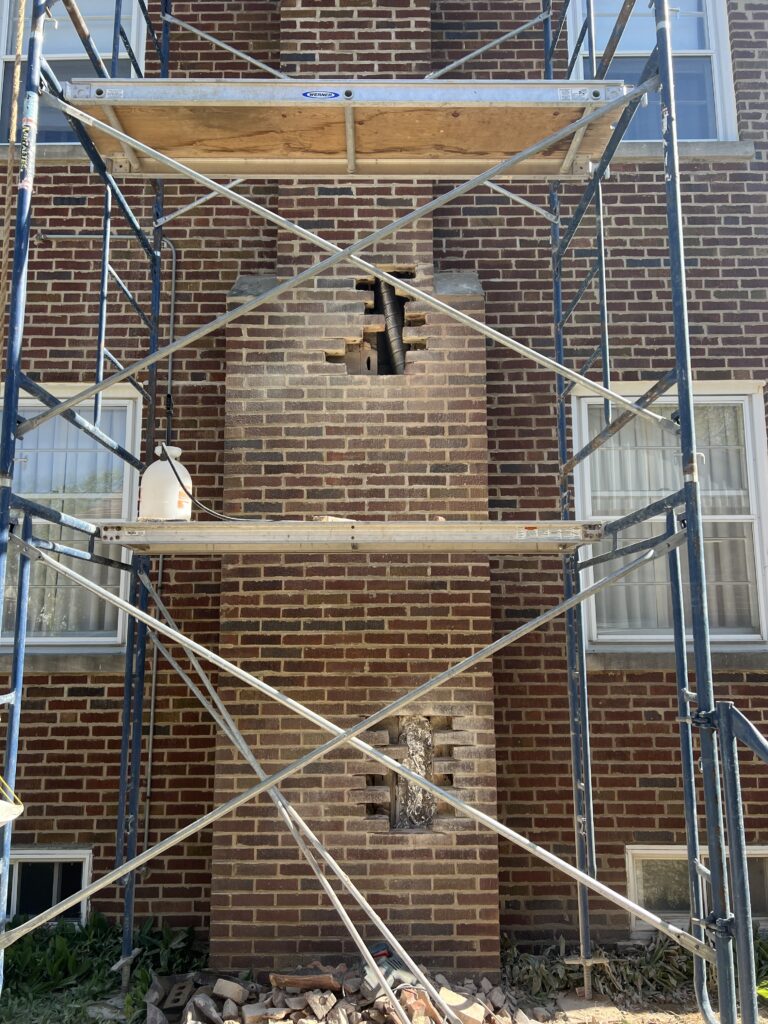
Scaffold or ladder access set up safely, joints ground out to proper depth, brick cut out and replaced, mortar mixed and colour matched on site. Landscaping and roofing protected throughout. Any water repellent goes on last, once repairs have fully cured.
5 Step
Cleanup, Walk-Through & Documentation
Debris and old mortar cleared from the property completely. The technician walks you through the finished work and what to watch for. You receive before-and-after photographs, a written record of materials used and warranty terms. Worth keeping for insurance and for resale.
Why Homeowners Choose A Chimney Company For Masonry Work?
We Work On The Parts Masons Skip
We Match The Mortar To The Brick
We See What The Masonry Is Hiding
Failing masonry is usually a symptom. A cracked crown, a rusted chase cover, failed flashing, or a liner letting acidic gas into the brickwork. We find the source rather than repointing over it and leaving you to call someone again in two years.
What Our Credentials Actually Mean For You!
Masonry restoration is judged over decades, not seasons. The right mortar, the right brick and properly documented work protect both the structure and what the property is worth. Every technician we send carries the same certifications and works to the same standard.






What Homeowners Say About Our Masonry Work
Masonry is the work people live with longest and notice most, because it is the part they can see from the street. These are homeowners who watched the whole job go in.
Masonry & Restoration Across All Of Chicagoland
Based in Oakbrook Terrace, at the center of DuPage County, covering Chicagoland and all surrounding suburbs across DuPage, Cook, Kane, Will and Lake counties.
- Oakbrook Terrace
- Oak Brook
- Elmhurst
- Lombard
- Villa Park
- Wheaton
- Glen Ellyn
- Downers Grove
- Naperville
- Lisle
- Westmont
- Darien
- Hinsdale
- Burr Ridge
- Addison
- Glendale Heights
- Carol Stream
- Bloomingdale
- Winfield
- West Chicago
- Warrenville
- Clarendon Hills
- Willowbrook
- Woodridge
- Bolingbrook
- Bartlett
- Chicago
- Tinley Park
- Orland Park
Don’t see your town listed? Call us at 630-280-8285 or browse our full chimney service areas – if you’re anywhere in Chicagoland, there’s a good chance we cover it.
Masonry & Restoration Across Chicagoland
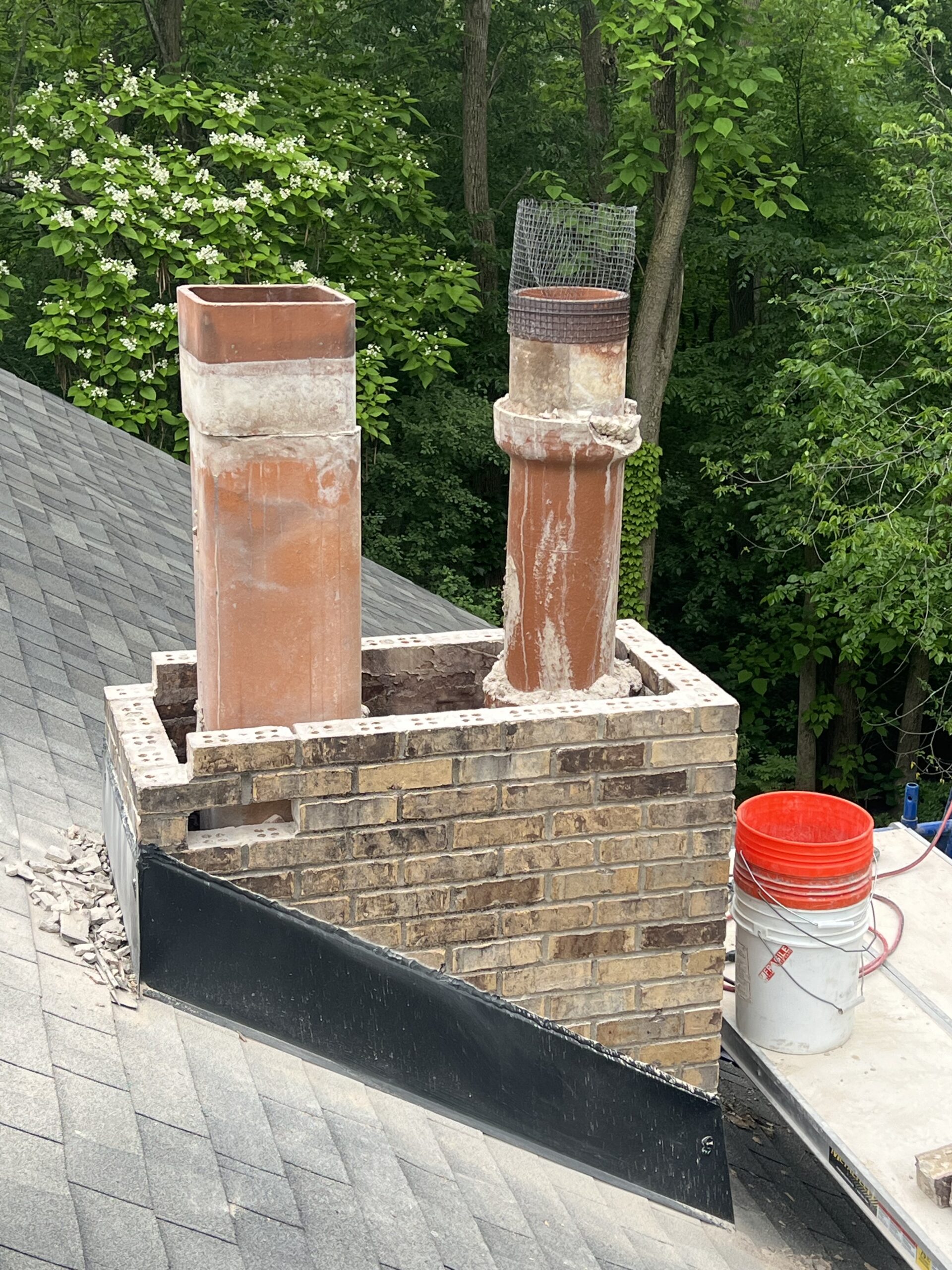
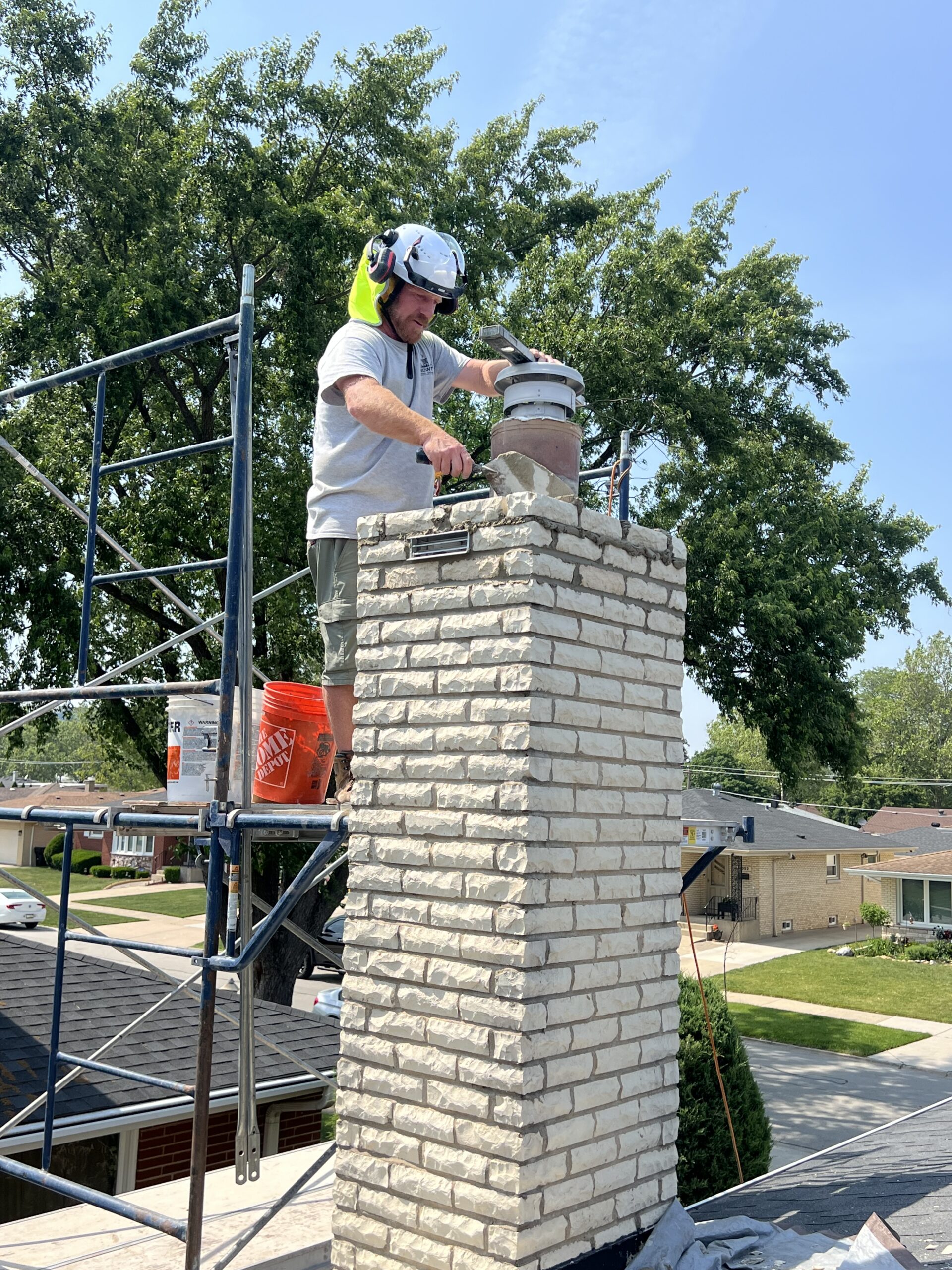
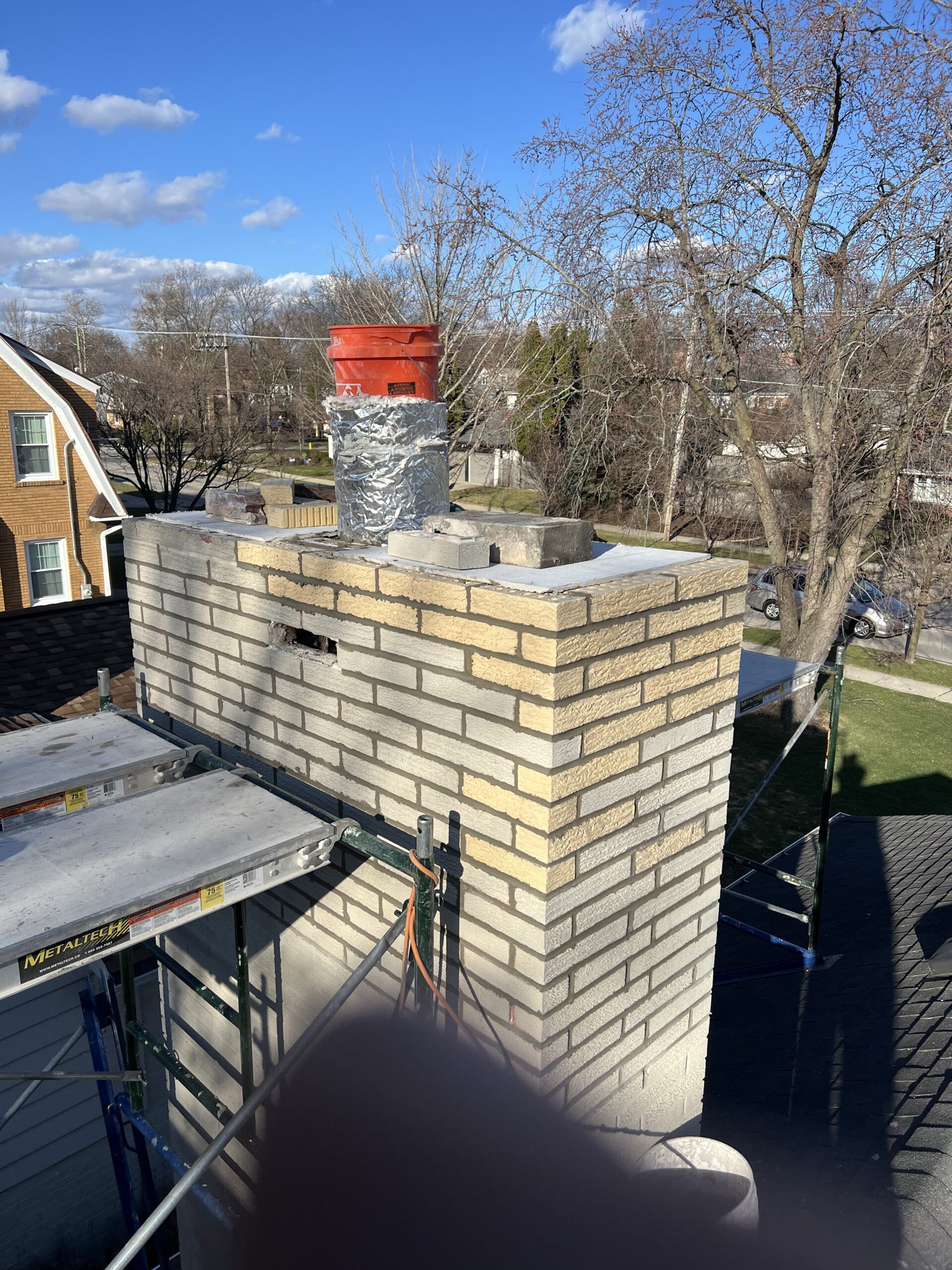
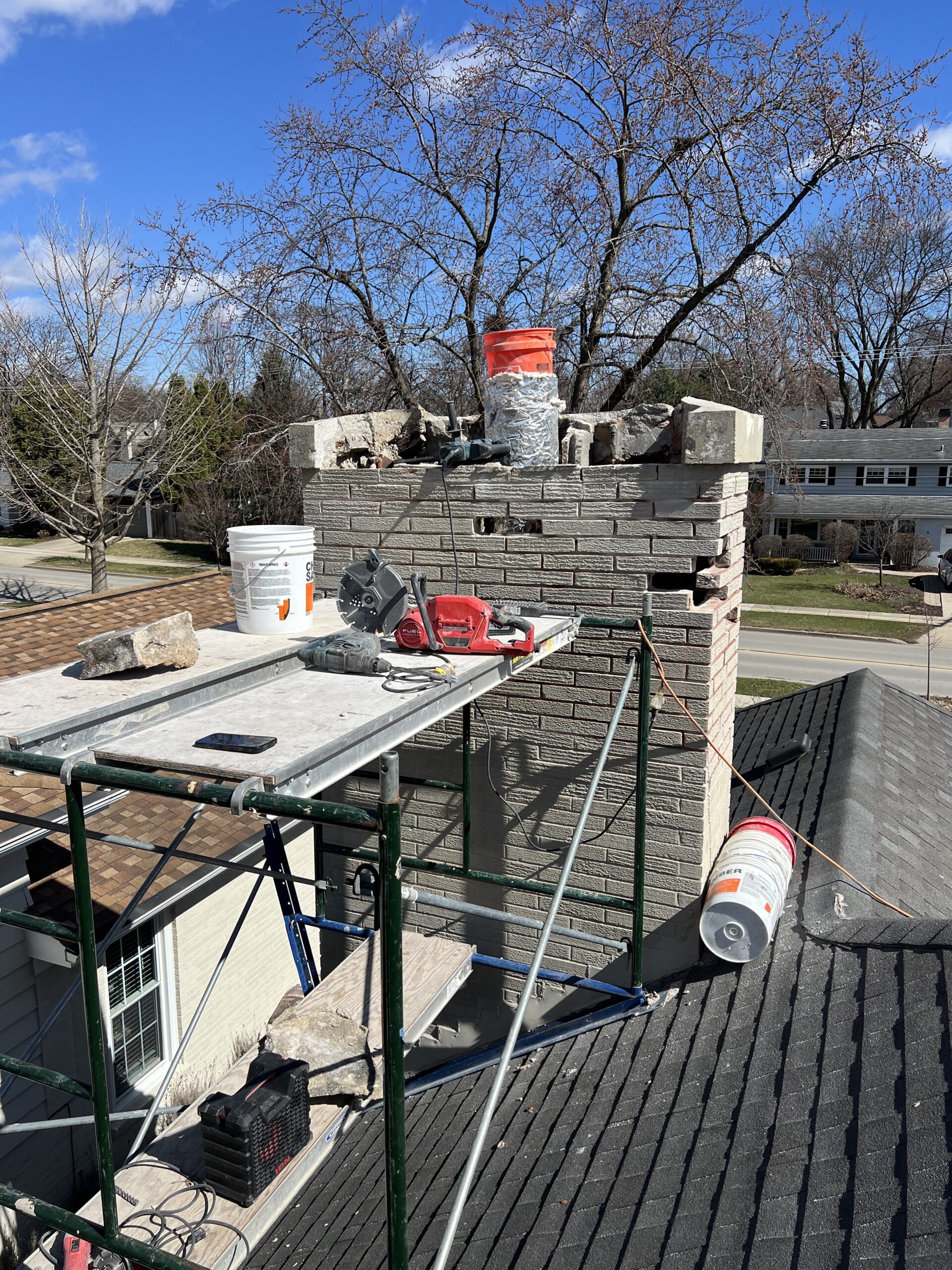
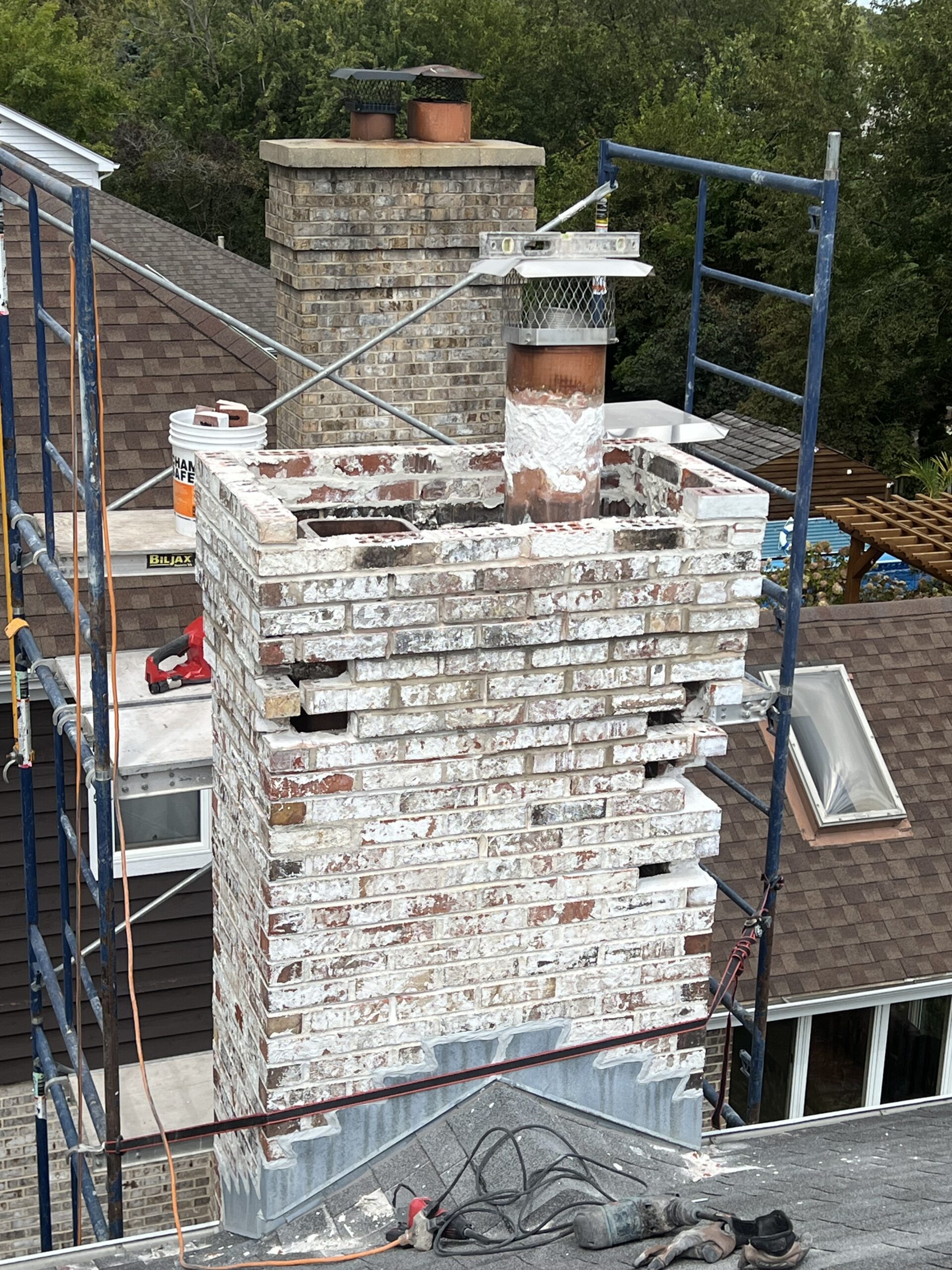
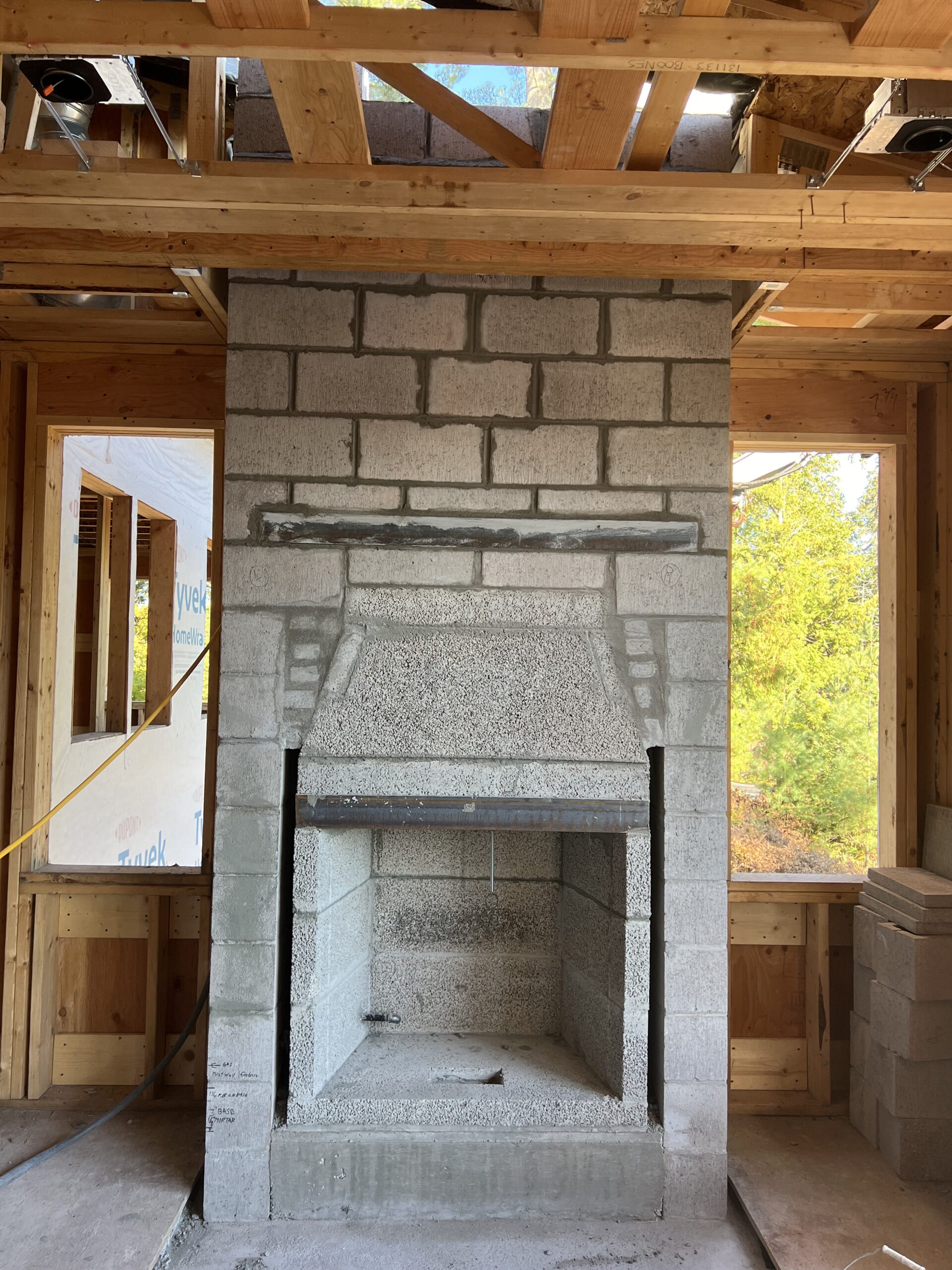
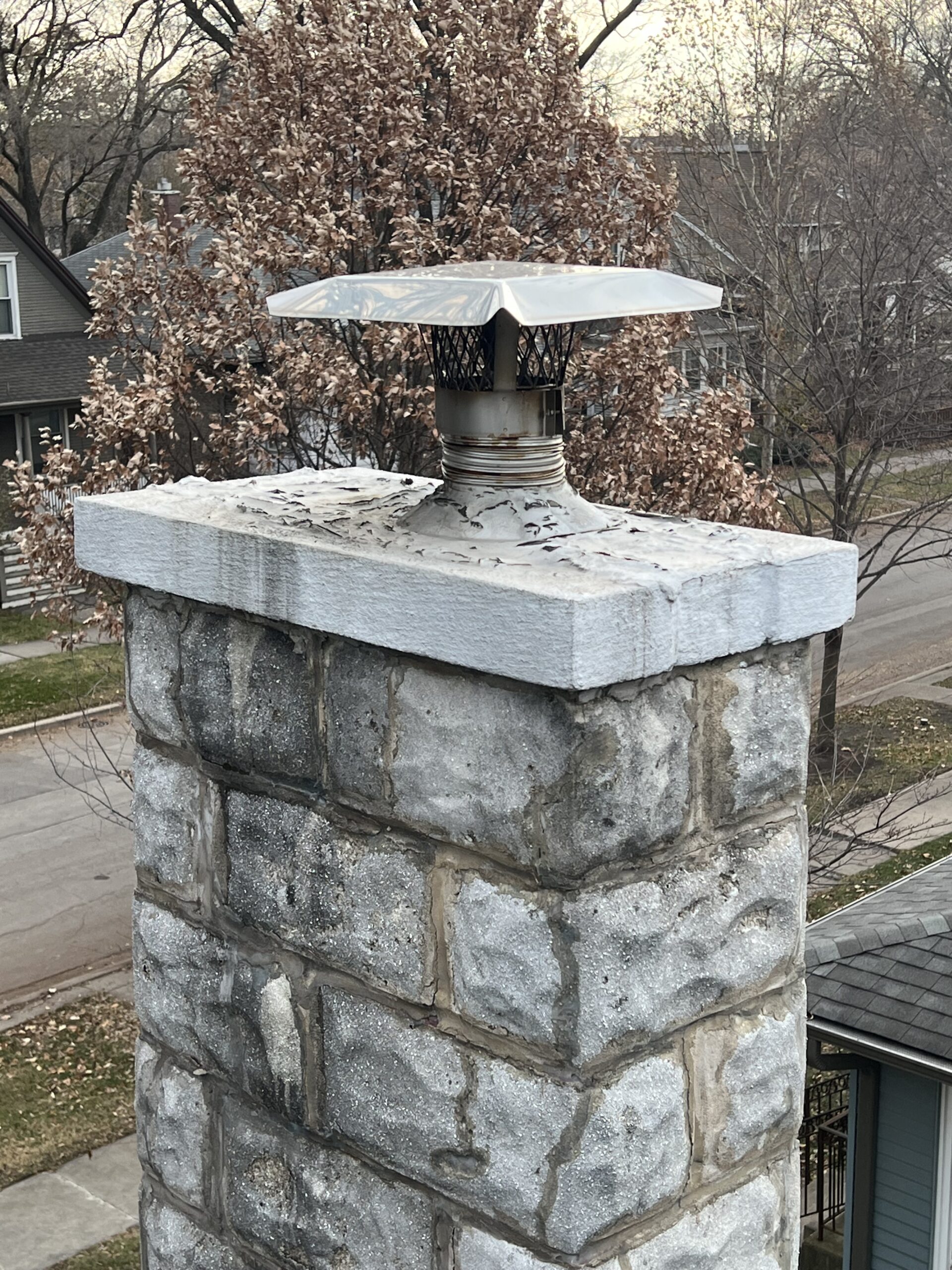
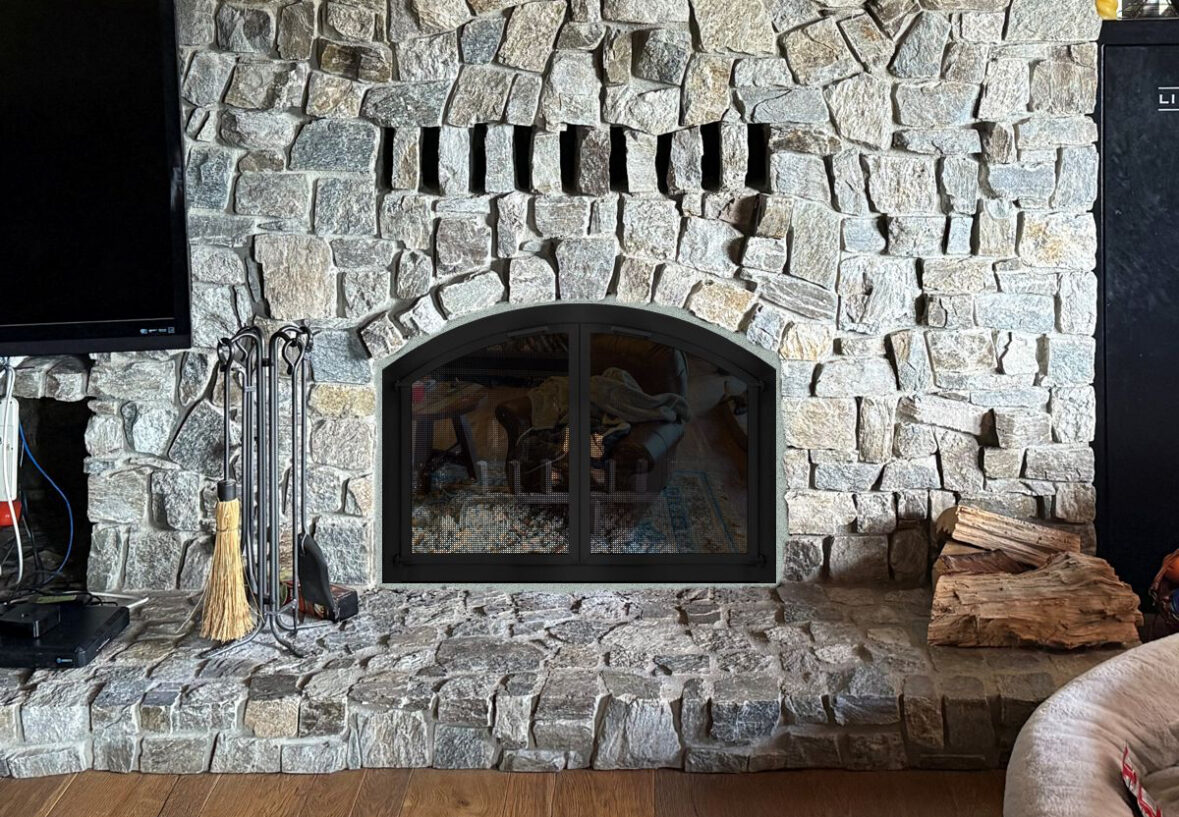
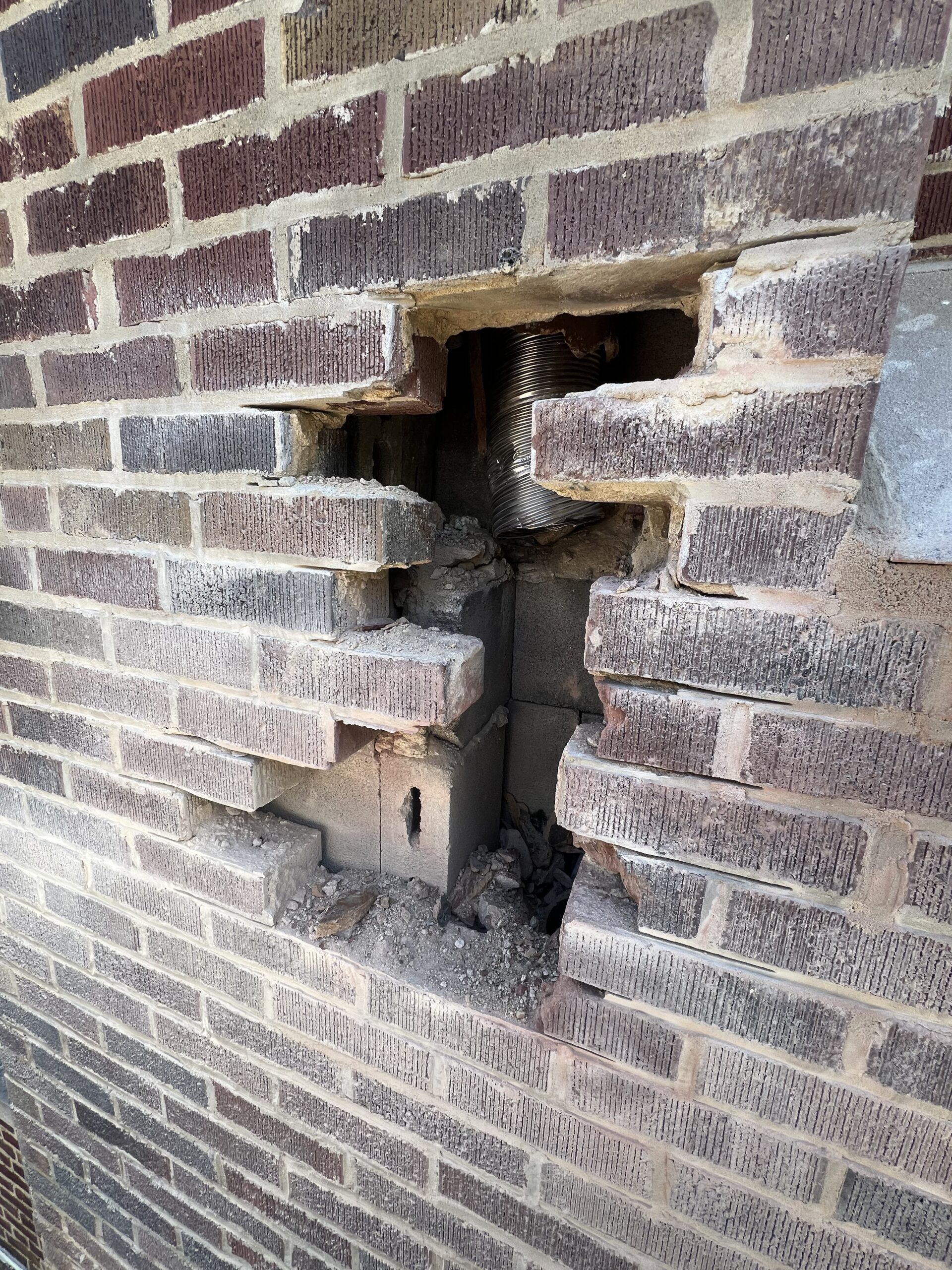
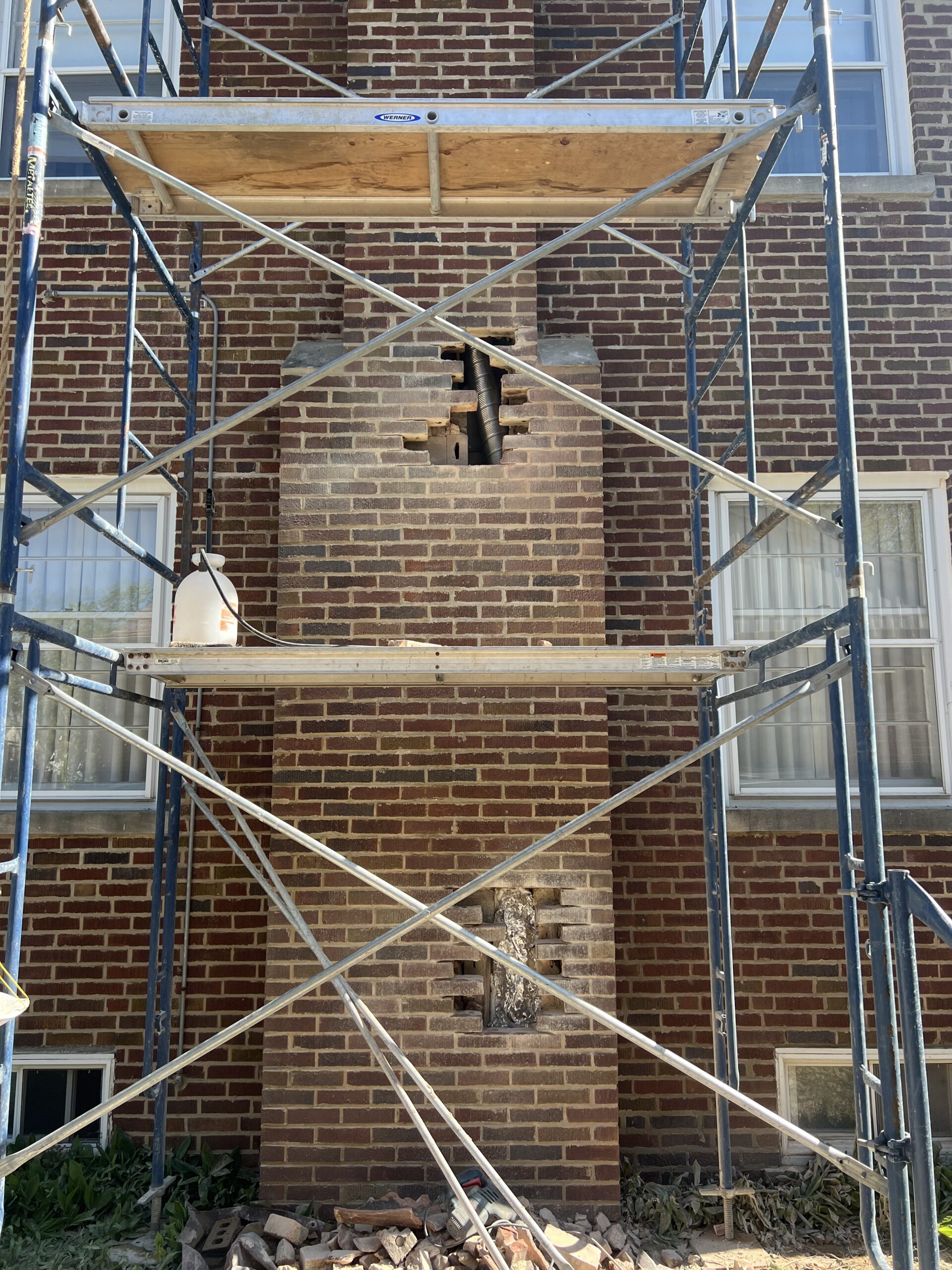
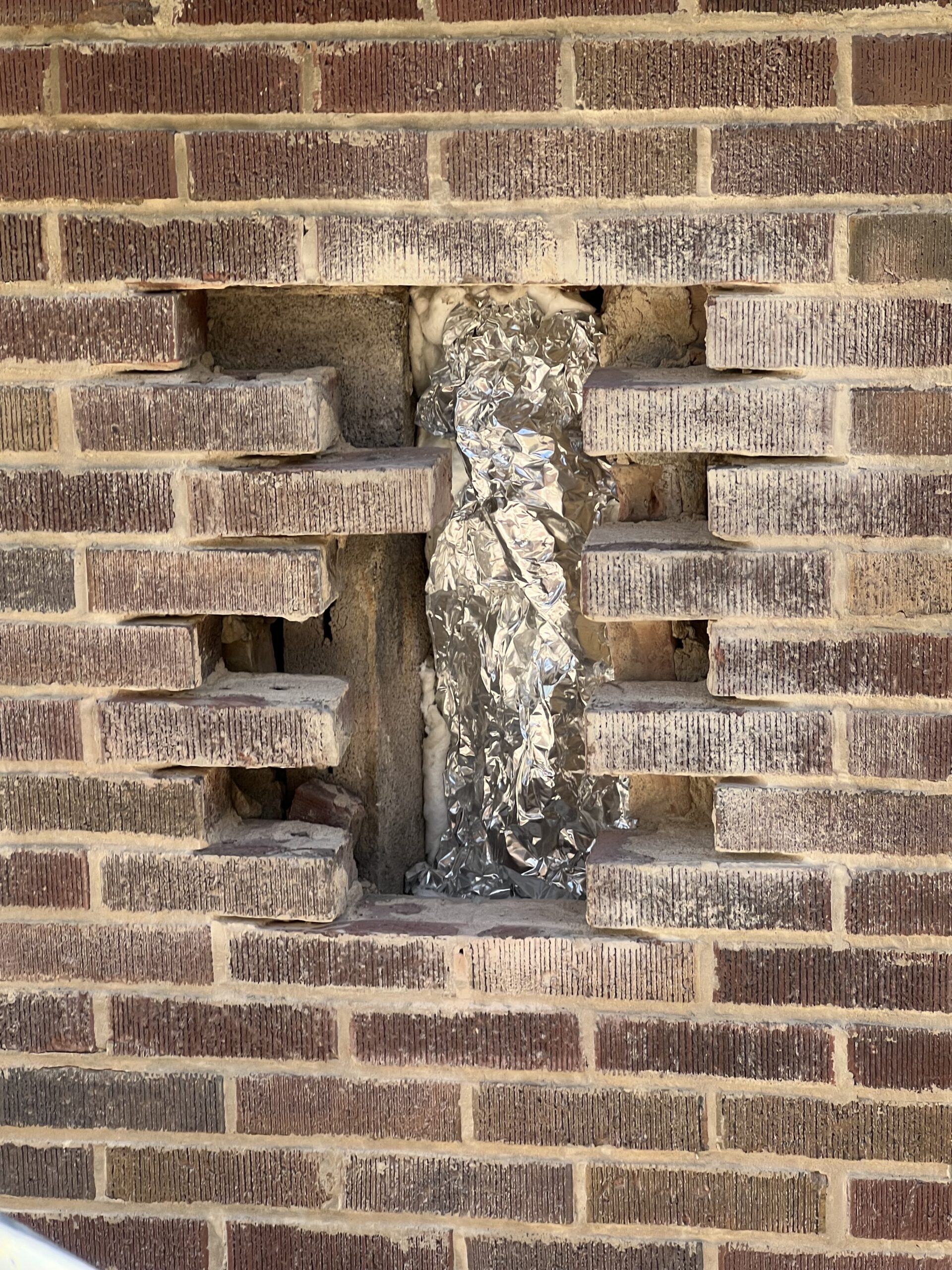
Tuckpointing, brick replacement, firebox rebuilds, custom stonework and full chimney reconstructions. Real jobs from homes across Chicagoland.
Every Winter You Wait Makes The Job Bigger
Repointing caught early is straightforward. Left through a few more Chicagoland freeze-thaw cycles, the same chimney needs rebuilding. Free estimates, materials matched properly, same-week appointments Monday through Saturday.
Before You Book Masonry or Restoration Work
How much does tuckpointing cost in Chicago?
Chicago tuckpointing generally runs $9 to $25 per square foot, with historic restoration work at the higher end and sometimes beyond it. A chimney stack alone is a much smaller job than a full facade, so most chimney tuckpointing lands well below the figures quoted for whole-building work. Access is the biggest variable: a single-storey ranch is straightforward, a three-storey stack needing scaffold is not.
What is the difference between tuckpointing and repointing?
Strictly, repointing means replacing deteriorated mortar and tuckpointing is a decorative technique using two mortar colours to imitate finer joints. In practice, every contractor in Chicago says tuckpointing when they mean mortar joint restoration, and so does everybody calling for a quote. We use the term the way the city uses it.
How often does masonry need repointing?
Every 10 to 15 years for most Chicago properties, though chimneys often need it sooner because they take weather on all four sides with nothing sheltering them. The honest test is a screwdriver: if you can scrape mortar out of a joint with light pressure, it has failed and water is getting in.
Why does the mortar mix matter on an older house?
Because mortar is supposed to be softer than the brick it sits between. Pre-war Chicago brick is relatively soft and was laid with lime-based mortar. Repoint it with hard modern Portland cement and the joints become stronger than the brick, so when the wall moves the brick faces crack off instead of the mortar. It is the single most common way older masonry gets ruined by well-meaning repair work.
Can you match my existing brick and mortar colour?
In most cases yes, and we mix and test on site rather than guessing from a chart. Perfectly matching brick that has weathered for eighty years is not always possible, which is why we salvage and reuse original brick wherever it is sound. Where new brick is needed we source the closest available match and place it where it will be least conspicuous.
Do you repair fireboxes and smoke chambers as well?
Yes, and this is where being a chimney company rather than a general masonry contractor matters. Firebox work needs firebrick and refractory mortar, not standard mix, and smoke chamber parging needs an understanding of how the flue drafts. Most masonry contractors decline this work, which is why homeowners end up calling us for it.
What time of year can masonry work be done?
Spring through fall for exterior work. Mortar needs temperatures above roughly 40°F to cure properly, and freshly laid mortar that freezes before it sets will fail. Interior firebox and smoke chamber work can be done year-round. Booking exterior work before the first freeze saves you a winter of accelerated damage.
Should I seal the masonry after the repairs?
Usually worth it, but only after the repairs are done and cured, and only with a vapour-permeable siloxane repellent. Film-forming sealers from the hardware store trap moisture behind the brick face and accelerate spalling. Sealing damaged masonry without repairing it first locks the water in and makes everything worse.
Request Your Free Estimate Now!
Fill out the form below to begin your consultation or give us a call at (630) 280-8285.